The label all-season carries a quietly misleading promise. Tires marketed for use in every season necessarily compromise to provide acceptable performance in all conditions, and the result is a tire that excels in none of them. Summer tires, by contrast, optimize for warm-weather conditions and deliver dramatically better dry and wet performance during the months when they are appropriate. Understanding the differences helps drivers decide whether the all-season convenience is worth the performance compromise, or whether dedicated summer tires plus a winter set would serve them better.
Summer tire compounds are designed for warm pavement. The polymers stay soft and grippy at high temperatures, gripping the road surface aggressively for maximum traction. The compound formulations cannot survive cold temperatures; below about seven degrees Celsius, summer compound rubber becomes hard and slippery, with grip dropping rapidly as temperatures fall. This is why summer tires must be removed for cold weather, and why all-seasons compromise their compound to maintain reasonable grip across a wider temperature range.
The performance differences in dry conditions are clear. A good summer tire grips dry pavement noticeably better than an all-season, with shorter braking distances, higher cornering forces, and crisper steering response. Track day enthusiasts and spirited canyon drivers feel the difference dramatically, but even ordinary daily drivers benefit from the increased margin in emergency maneuvers. The grip difference can be the margin between avoiding a collision and not.
Wet performance differences are even more striking on truly heavy rain. Summer tires use tread patterns that channel water away from the contact patch effectively, with deep grooves designed to prevent hydroplaning. The flexibility of warm summer compound also conforms to road surfaces better in the wet, gripping water films that all-seasons would slide across. Some all-seasons match summer tires in moderate wet conditions, but heavy rain reveals the difference quickly.
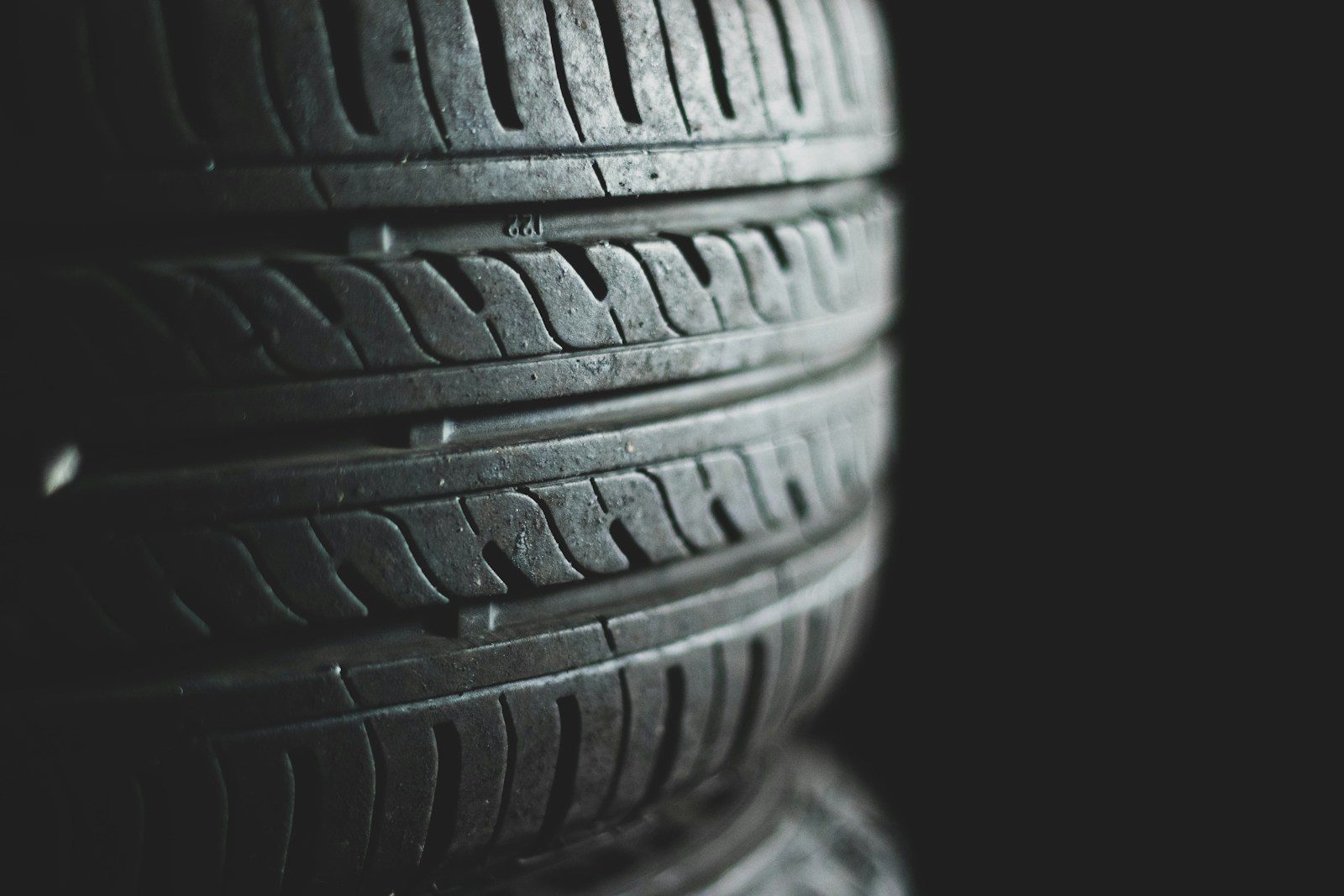
Tread design tells part of the story. Summer tires typically use larger, stiffer tread blocks for dry grip, with relatively few sipes since they would compromise dry performance. The tread pattern is often asymmetric, with the outer shoulder optimized for dry cornering and the inner shoulder for water dispersion. All-season tires balance these competing needs, accepting some loss of dry grip and wet performance to add winter capability.
Wear characteristics differ. Summer tires often wear faster than all-seasons because the soft compounds that grip well also wear faster. A high-performance summer tire might last twenty thousand miles in normal use, while an all-season touring tire might last sixty thousand. The cost per mile of summer tires can be higher, but the cost per mile of safety is lower because the better grip protects against expensive accidents.
Practical considerations include storage and seasonal swaps. Drivers who use summer tires must mount them each spring and remove them each fall, with all the implications for tire shop visits, mounting fees, and labor. Storing the off-season set requires garage space, suitable conditions to prevent rubber degradation, and organization to keep track of which tire goes where. Drivers without these resources may find all-seasons more practical despite the performance compromise.
The crossover season presents its own complications. Summer tires must be removed before truly cold weather arrives, but the calendar varies by year. A warm autumn followed by a sudden cold snap catches some drivers with summer tires still mounted, with grip degrading dramatically in the first cold night. Conversely, mounting winter tires too early when fall remains warm wastes some of the winter tire’s life on conditions where it is not needed. Watching weather forecasts and committing to the swap on a defined date balances these competing concerns.
Some all-season tires have improved enough in recent years to challenge dedicated summer tires in many conditions. Premium grand-touring all-seasons offer surprising dry and wet performance, though the gap to a true summer tire remains in extreme conditions. These improved all-seasons may be the right choice for drivers who want one set of tires year-round and accept the compromise in extreme conditions.
The three-peak mountain snowflake symbol now appears on some all-season tires that have passed snow traction testing. These all-weather tires represent a real attempt to bridge summer performance and winter capability in a single tire. The trade-off is that they cannot match dedicated summer tires in warm dry weather or dedicated winter tires in cold snow, but for drivers who would otherwise run mediocre all-seasons year-round, all-weather tires offer measurable improvements at both ends of the temperature range.
Climate determines what makes sense. In regions with mild winters that rarely see snow or extended cold, year-round summer tires may be appropriate. In regions with hot summers and cold winters, dedicated summer and winter sets give the best performance in each season. In regions with moderate climates and occasional weather extremes, premium all-seasons or all-weather tires balance practicality and capability. Matching the tire strategy to the climate produces better results than picking based on convenience alone.
Driving style also matters. Drivers who use their cars enthusiastically benefit more from dedicated summer tires than drivers who prioritize comfort and economy. Long-distance highway commuters appreciate all-season longevity more than urban drivers who change direction constantly and benefit from sharper handling. Honestly assessing how the vehicle is actually used clarifies the right choice.
Cost over time favors dedicated tire strategies for many owners, despite the higher initial investment. Summer tires last longer when removed for winter rather than aging on hot pavement only to be replaced anyway. Winter tires preserve the summer or all-season tires that would otherwise wear during cold months. Two sets used seasonally often outlast one set used year-round, with safety improvements as a substantial bonus. The right answer for any driver depends on their specific conditions, but the case for treating tires as seasonal equipment rather than year-round commodities is stronger than many assume.