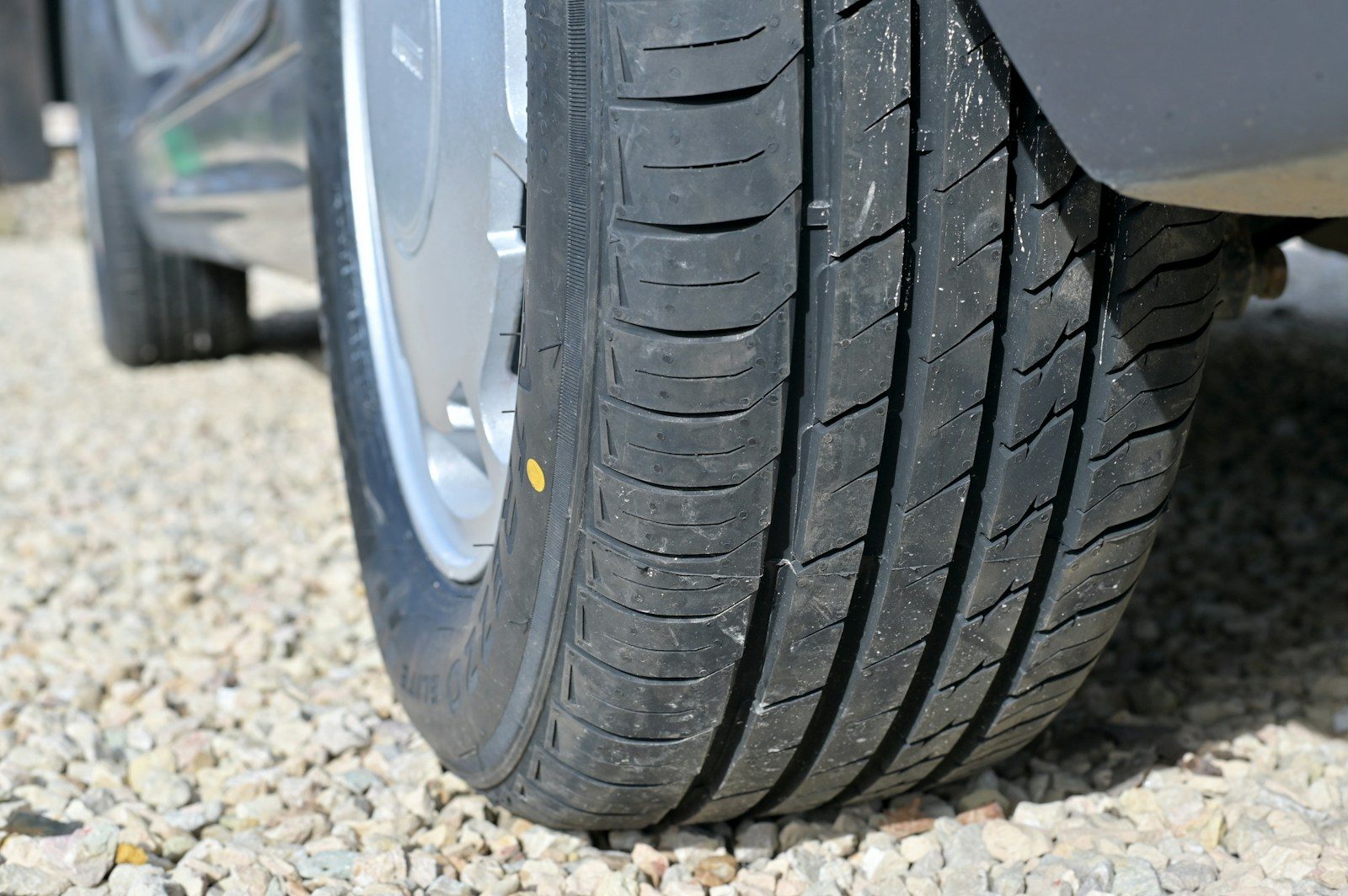
Few components on a vehicle are as routinely overlooked yet as critical to safety and performance as the tires beneath us. Modern radial tires are engineering marvels, blending dozens of materials, intricate tread patterns, and precise constructions, yet most drivers treat them as little more than rubber donuts that magically wear out. With tire prices rising sharply in recent years due to global rubber supply pressures and shipping disruptions, learning how to maximize the life of every set has shifted from a niche hobbyist concern to a meaningful piece of household economics.
The first principle of tire longevity is pressure management. A tire that is even three or four pounds underinflated can lose noticeable miles from its expected service life because the sidewalls flex more than designed, generating heat and uneven wear along the shoulders. Overinflation has the opposite effect, narrowing the contact patch and chewing up the center of the tread. The correct pressure is never printed on the sidewall; that number is the maximum cold pressure the tire can hold. The recommendation that matters is on the door jamb sticker, and it should be checked at least monthly with a quality digital gauge, ideally first thing in the morning before the tires have warmed up from driving.
Rotation is the second pillar. Front tires on most vehicles wear roughly twice as fast as the rears because they carry the engine, handle steering forces, and on front-wheel-drive cars also transmit power. Rotating every five to seven thousand miles equalizes wear and can add tens of thousands of miles to the life of a set. The pattern depends on the drivetrain and whether the tires are directional, so consulting the owner manual rather than guessing is wise.
Alignment deserves a chapter of its own. Even a small toe error of a tenth of a degree can scrub a tire to half its expected life. Drivers often only notice an alignment problem when the steering wheel sits crooked or the car pulls, but by then the tires may already show feathered edges or cupping. After hitting a serious pothole, after replacing suspension components, and ideally once a year, an alignment check is cheap insurance.
Storage matters more than most realize. Ozone, ultraviolet light, and temperature swings dry out the rubber compounds and accelerate sidewall cracking. If a vehicle is parked outdoors for long stretches, simple cloth covers shield the rubber. Spare tires kept in dark, cool, dry trunks last longer than those exposed to sun beating through a back window. Tires older than six years should be inspected carefully regardless of tread depth, and most manufacturers recommend replacing tires once they reach ten years from production, a date encoded in the four-digit DOT stamp on the sidewall.
Driving habits, often the most overlooked factor, shape the wear pattern dramatically. Hard launches scrub tread off in seconds, and aggressive cornering scrubs the outer shoulders. Hard braking on dry pavement flat-spots the contact patch and creates vibration that drivers usually blame on the wheels. Smooth inputs, anticipating traffic, and easing off well before stop signs save fuel, brakes, and tires simultaneously.
The road itself plays a role. Curbing a wheel during parking can pinch the sidewall against the rim and create a hidden bulge that becomes a blowout months later. Driving over construction debris is more avoidable than people think; a quick lane change on a highway is far cheaper than a punctured tire and a bent rim. After any heavy impact, a visual inspection of the sidewall and tread is worth the thirty seconds it takes.
Tire maintenance also intersects with broader vehicle health. Worn shocks bounce the contact patch off the road and create a scalloped wear pattern called cupping that ruins tires prematurely. Sticking brake calipers can heat one corner enough to glaze the inside of a tire. A small coolant or oil leak that drips on a tire over weeks softens the rubber and creates a weak spot. The car is a system, and the tires record the health of everything around them.
Finally, there is the question of when to replace. The traditional penny test, where Lincoln’s head should be partially obscured by the tread, is a minimum legal indicator, not a safety threshold. Wet braking distances grow alarmingly once tread depth drops below four thirty-seconds of an inch, and aquaplaning risk rises sharply. Replacing in pairs at minimum, and ideally as a full set, keeps handling balanced. Mixing brands or tread designs across an axle is rarely a good idea on modern vehicles with electronic stability control because the systems are calibrated assuming consistent grip front to rear.
A driver who pays modest attention to all of these factors can routinely extend tire life by thirty to fifty percent over an inattentive owner driving the same car on the same roads. That translates to thousands saved over the ownership of a vehicle, fewer trips to the shop, and a meaningful gain in everyday safety. The humble tire rewards the attention it receives, quietly, mile after mile.