Wheel bearings sit at the intersection of three jobs: supporting the weight of the vehicle, allowing the wheel to rotate freely, and holding the wheel in precise alignment with the axle. They do these jobs millions of times per mile, in heat, cold, dust, and water, often for a hundred thousand miles or more before needing service. Understanding how they work, how they fail, and how to replace them transforms a confusing topic into a manageable maintenance item.
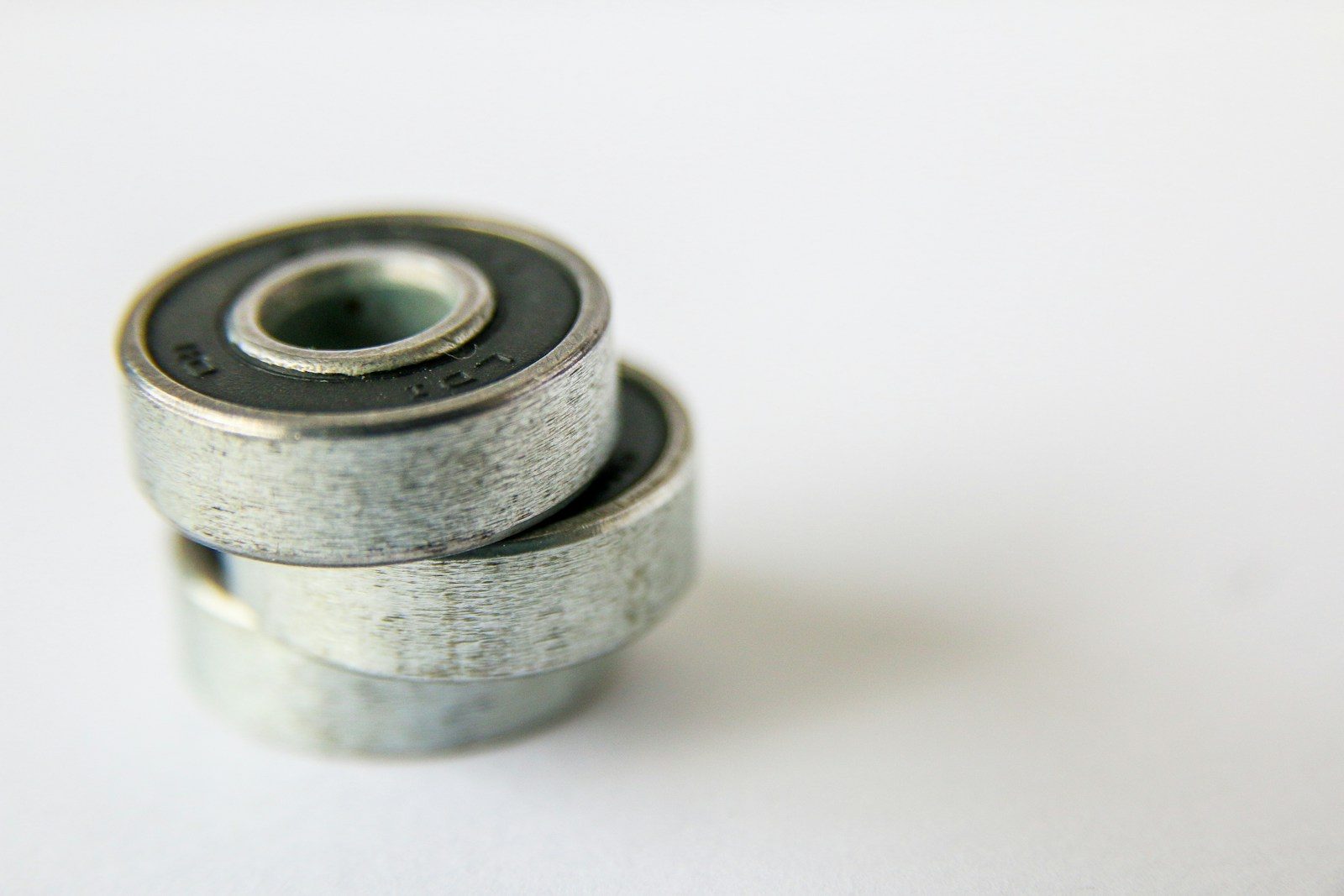
The basic structure of a wheel bearing involves an inner race attached to the spindle or axle, an outer race attached to the hub or knuckle, and rolling elements between them. The rolling elements may be balls, tapered rollers, or cylindrical rollers depending on the design. The races are precisely machined steel surfaces, hardened to resist wear, and the rolling elements turn within them with minimal friction. Lubricant separates the rolling elements from the races, preventing metal-to-metal contact and allowing decades of service.
Different bearing designs suit different applications. Tapered roller bearings handle both radial and axial loads well, making them the traditional choice for non-driven wheels where the bearing must resist the side loads of cornering as well as the weight of the vehicle. They typically come in pairs, with one bearing facing each direction to handle thrust loads in either direction. Adjustment of preload is critical for tapered roller bearings; too tight and they overheat, too loose and they have play that allows the wheel to wobble.
Sealed cartridge bearings have replaced serviceable tapered rollers on most modern vehicles. The cartridge is a complete unit with the inner race, outer race, rolling elements, and seals all preassembled. Installation involves pressing the cartridge into the hub or knuckle, with no adjustment required. Service is by replacement when the bearing fails, since the cartridge cannot be opened, cleaned, repacked, or adjusted. The trade-off is convenience at the cost of maintainability; a serviceable bearing might last forever with regular care, while a sealed bearing has a fixed service life.
Hub assemblies bundle the bearing with the wheel mounting flange and sometimes wheel speed sensors and electrical connections into a single unit. The unit is bolted to the suspension knuckle and then ready to receive the wheel and brake disc. Hub assemblies simplify installation but increase the cost of replacement, since the entire unit must be replaced rather than just the bearing.
The most common failure mode is gradual wear that produces noise. As the rolling elements and races wear, the smooth contact surfaces develop pitting, scoring, or flat spots. The bearing begins to growl, hum, or grind as it rotates, and the noise grows louder over time. The noise often changes with vehicle speed and may vary as the vehicle turns, since the loaded side of the bearing changes during cornering. A noise that worsens during left turns indicates a right-side bearing failure, since right-side bearings are more loaded when turning left.
Play is another symptom. A worn bearing allows the wheel to wobble on its mounting, with detectable movement when the wheel is grabbed at the top and bottom and rocked. Play can affect alignment, brake performance, and steering feel. ABS sensors integrated into modern hubs may report intermittent or false readings as the wheel speed signal becomes erratic from the wobbling motion.
Heat is a serious symptom often noticed only after a stop. A bearing running hot enough to burn the back of a hand placed near the wheel after parking is a bearing on the verge of catastrophic failure. The heat indicates excessive friction from internal damage, contamination, or insufficient lubrication. Continued driving on a hot bearing risks seizing the wheel or losing the wheel entirely.
Water intrusion is the leading cause of bearing failure. The seals that protect the bearing internals can fail from age, damage, or improper service. Water entering the bearing dilutes the grease, allows oxidation of the steel components, and accelerates wear. Vehicles that ford streams or run on wet beach sand are particularly vulnerable. Some manufacturers offer extended-seal options for vehicles operated in harsh conditions.
Improper installation causes many premature failures. Tapered roller bearings installed without proper preload either rattle around with too much play or seize from over-tightening. Cartridge bearings installed by hammering rather than pressing can be damaged by impact loads that distort the races. Hub assemblies torqued incorrectly can either come loose or strip the threads on the spindle. Following the service manual procedures and using proper tools is essential.
Replacement of a sealed cartridge bearing on most modern vehicles requires a press, a set of bearing drivers sized for the specific bearing, and patience. The hub or knuckle must be removed from the vehicle, the old bearing pressed out, the new bearing pressed in with care to apply force only to the appropriate races, and the assembly reinstalled. Some bearings can be replaced with the knuckle still on the vehicle using special pulling tools, saving disassembly time.
Hub assembly replacement is much simpler. The wheel comes off, the brake caliper and rotor are set aside, the axle nut is removed if applicable, and the assembly is unbolted from the knuckle. The new assembly bolts in, the hardware is torqued to specification, and the brake parts are reinstalled. Hub assembly replacement is within reach of most home mechanics with basic tools and a torque wrench.
Tapered roller bearing service is a specific skill. The old bearings must be cleaned, inspected, and either repacked or replaced. Repacking with appropriate grease, paying attention to the type specified by the manufacturer, requires hand-pressing grease into the bearing until it emerges from the opposite side. Adjusting preload is done by tightening the spindle nut to specified torque, then backing off and retightening to a final torque. The classic adjustment ends with the bearing snug but rotating freely without any drag.
Bearings deserve attention because they are simultaneously a low-glamour item and a safety-critical one. Most drivers ignore them until they make noise, and the noise is often dismissed as tire hum until it becomes obviously different. Catching a failing bearing early prevents seized wheels, ABS faults, and the dramatic possibility of a wheel separating from the vehicle. Treating any unusual sound from the wheel area as a candidate for bearing investigation, rather than waiting for things to get worse, is the discipline that catches problems while they are still cheap and easy to fix.