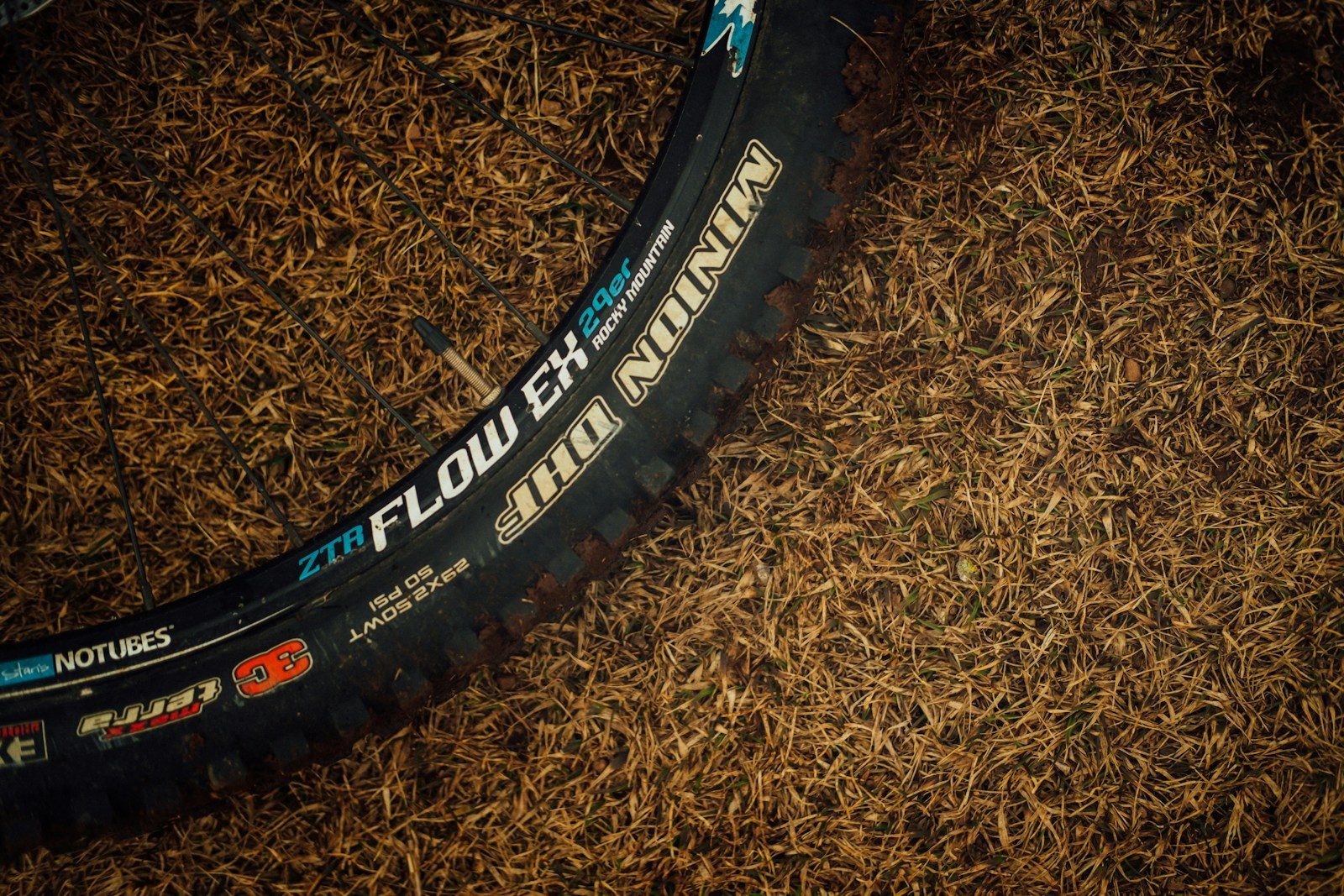
Tubeless tires moved from mountain biking into gravel and road cycling over the past several years, and the shift has been transformative for many riders. The technology eliminates inner tubes, allows lower pressures with better grip, and can self-seal small punctures that would have stranded a tubed setup. The trade-offs are real, including more involved setup, periodic maintenance, and the need for compatible rims and tires, but the benefits convert most riders who try tubeless properly.
The basic principle is simple. A tubeless tire seals to the rim’s bead seat and holds air directly, without an inner tube inside. Liquid sealant inside the tire flows to puncture sites, where the air escaping carries it into the hole, where it dries and forms a plug. The system replaces the tube’s job of holding air with a tire-rim interface and the tube’s vulnerability to puncture with a sealant that handles small holes automatically.
Compatibility is the first hurdle. Both rim and tire must be designed for tubeless use. The rim has a specific bead seat profile that locks the tire in place under low pressure, and the rim bed is typically sealed by a tubeless-specific tape rather than open spoke holes. The tire has a tighter bead and a sealed casing that holds air without a tube. Mismatched components rarely seal well; the most reliable setups use rim and tire from manufacturers who explicitly endorse the combination.
Rim tape is the foundation. The plastic strip or rubber rim strip used in tubed setups is replaced by a specialized adhesive tape that seals the spoke holes against air loss. The tape must be wide enough to cover the rim bed completely, applied without wrinkles, and stretched into the rim valleys for a tight fit. Poor tape application is the most common cause of tubeless setup failure; air escapes around the spoke holes faster than sealant can plug them, and the tire never seats. Several brands of tubeless tape exist, with subtle differences in stickiness and durability.
The valve is a tubeless-specific Presta valve with a wide rubber base that seats against the rim. The valve is inserted from the inside of the rim, threaded through the tape, and tightened with a small nut on the outside. A tight seal at the valve prevents another common leak source. Removable valve cores allow adding sealant through the valve and replacing failed cores without replacing the entire valve.
Sealant choice affects performance. Most sealants are latex-based and dry over time, requiring periodic replenishment. Different brands have different particle sizes, drying rates, and seal-up capabilities. Some sealants work better in cold weather, some in hot. Some are more aggressive against rubber and may degrade tires faster, while gentler options last longer in service. Reading reviews from riders in similar climates helps choose a sealant that performs well year-round.
Initial setup begins with mounting the tire on the rim, which can be a struggle on tight combinations. Soapy water on the bead helps the tire slip over the rim. The first bead goes on without difficulty; the second is the challenge. Lifting the bead into the rim’s center channel, where the rim is narrowest, gives slack to push the rest of the bead over the rim’s outer edge. Tire levers should be used carefully to avoid damaging the rim or tearing the tape.
Inflation requires more air volume than a typical floor pump can deliver to seat the bead. The tire must inflate fast enough to push the bead outward against the rim before it leaks back out. A tubeless-specific floor pump with a charge chamber, a small air compressor, or a CO2 cartridge can provide the necessary burst. Some tires seat with a normal floor pump if the bead is already seated and only needs final pressure, but the first inflation almost always wants more air than a standard pump delivers.
Once the bead pops into place with audible bangs as it seats, the tire holds air enough to add sealant. Sealant is added through the valve with the core removed, typically two to four ounces depending on tire size. The valve core is reinstalled, the tire is inflated to operating pressure, and the wheel is rotated to spread sealant inside the tire. Some riders bounce the tire on the floor and rotate it through various positions to coat the entire inside surface.
The first few rides typically reveal small leaks that the sealant resolves quickly. Tiny pinholes, manufacturing imperfections, or marginal tape coverage all leak briefly before sealant finds and plugs them. After a week of riding, a properly set up tubeless tire holds pressure well, often losing only a few pounds per week.
Maintenance involves checking and replenishing sealant. Latex sealants dry out, faster in dry climates and slower in humid ones. After several months, the sealant inside the tire may have crusted into rubbery balls and lost its sealing capability. Adding fresh sealant through the valve every two to four months keeps the system effective. Sealant can be checked by listening for sloshing when shaking the wheel; silence indicates the sealant has dried up.
Punctures handled by sealant are usually invisible to the rider. A small thorn that would have flatted a tubed tire goes through the tubeless tire, sealant pours out for a moment, the seal forms, and the rider continues with no awareness that anything happened. Larger punctures may require a tubeless plug, similar to automotive tire plugs but smaller, inserted into the hole to bridge the damage so the sealant can finish the job. Even larger holes that exceed plug capability force a return to tube installation, with the tube going inside the tubeless tire as a backup.
Long-term ownership changes some habits. Pressure checks become more frequent because tubeless tires do lose more pressure over time than tubed ones. Tire mounting and dismounting becomes a more involved process. Sealant management is added to the maintenance calendar. The benefits of better grip, fewer flats, and the ability to run lower pressures generally outweigh these costs for riders who venture beyond smooth roads, while road cyclists on perfect pavement may find tubeless less compelling. Each rider’s terrain and priorities determine whether the system fits their needs.