Many older vehicles, trailers, classic cars, and some heavy-duty trucks still use serviceable wheel bearings rather than sealed cartridges. These bearings can last essentially forever with proper maintenance but fail quickly without it. The maintenance ritual of cleaning, inspecting, repacking, and adjusting these bearings is one of the most satisfying jobs in vehicle care, with results that pay back over decades of service.
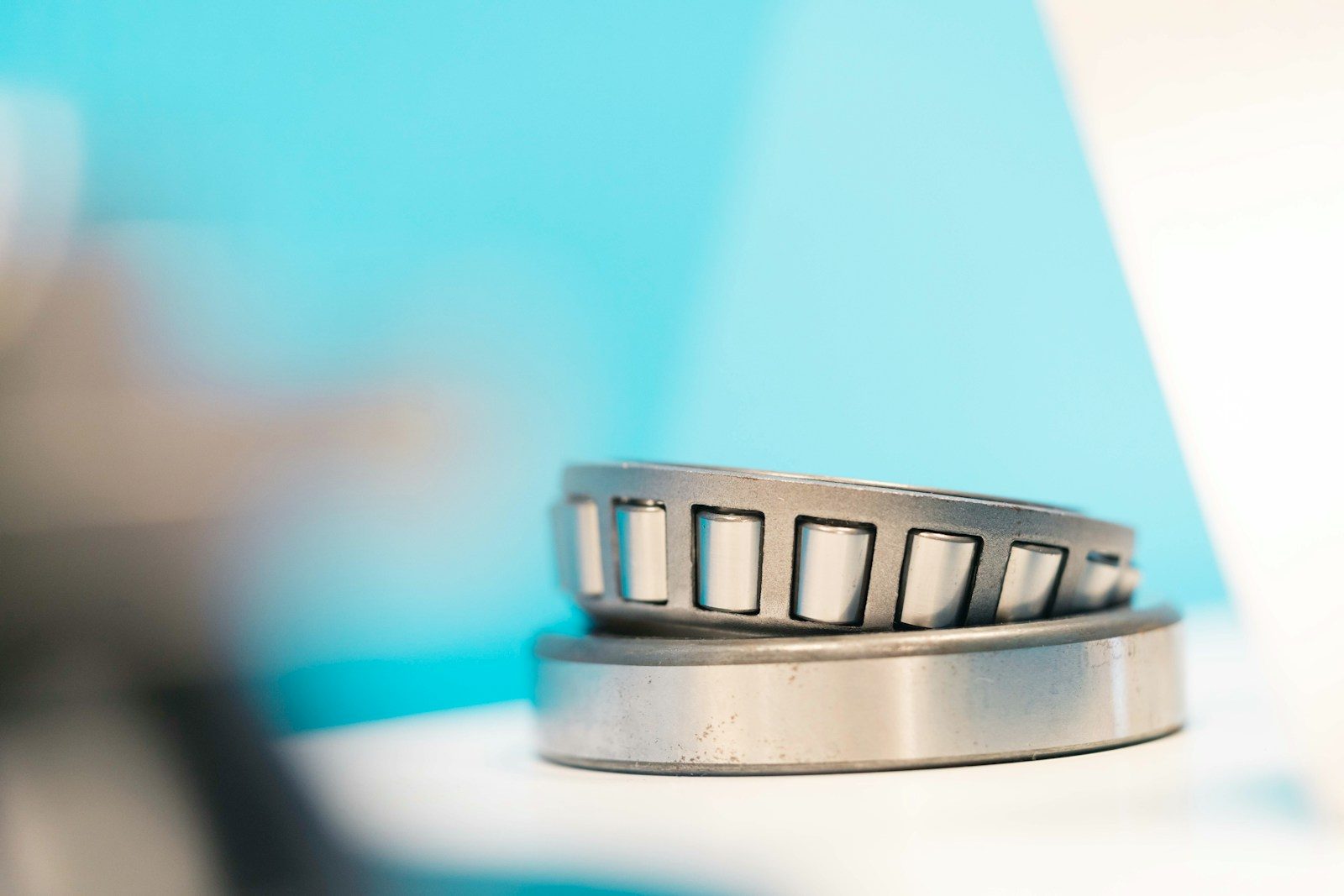
The serviceable bearing setup typically consists of two tapered roller bearings, one inner and one outer, riding on the spindle. The hub slides over the spindle and the outer bearing fits into the hub from outside. A washer and adjusting nut on the spindle preload the bearings, with a cotter pin securing the nut. Grease seals at the inner bearing prevent grease loss and keep contamination out. The whole assembly is protected by a dust cap on the outer end.
Service intervals vary by application. Trailer wheel bearings often need annual service because their seals are smaller and they sit unused for periods that allow water intrusion. Classic car bearings benefit from service every two to three years if the vehicle is driven regularly, more often if it sees occasional use with long storage periods. Heavy-duty truck bearings have specified service intervals from the manufacturer that should be followed.
The procedure begins with raising the vehicle securely on jack stands. Wheel removal exposes the brake assembly, and the brake caliper or drum must come off to access the hub. The dust cap covering the spindle nut is pried off with a screwdriver or removed with pliers, exposing the cotter pin. The cotter pin is removed, the spindle nut unscrewed, and the washer slid off. The hub can now be slid off the spindle, with the outer bearing falling out as the hub clears the spindle. The hub is set on a clean surface, inner bearing facing up, and the inner seal is pried out to release the inner bearing.
Cleaning is done with solvent, often kerosene or a dedicated parts cleaner. Each bearing is washed thoroughly, with attention to forcing solvent through the rolling elements until they emerge clean. The bearings are then spun by hand under solvent to dislodge any internal grit. After cleaning, the bearings are dried with compressed air or allowed to drain, never spun with compressed air still applied because spinning a dry bearing with air can damage it.
Inspection is critical at this stage. The races inside the hub should be smooth and unbroken, with no pitting, scoring, or galling. The bearing surfaces themselves should likewise be smooth, with the rolling elements all clean and free-moving in their cages. Any visible damage means replacement, and bearings should always be replaced as a complete set with both inner and outer bearings and the matching races.
Race replacement is needed if the existing races are damaged. The old race is driven out from inside the hub using a punch and hammer, working around the race to push it out evenly. The new race is driven in using a race driver tool or a discarded old race held against the new one with a hammer driving against it. The race must be driven straight; cocking the race during installation can damage it or the hub bore.
Repacking grease is the central act of bearing service. The right grease must be used, typically a high-temperature, water-resistant lithium-complex or polyurea grease specified by the manufacturer. Wheel bearing grease is different from chassis grease, and using the wrong type can cause early failure. The procedure for hand-packing involves placing grease on the heel of one hand, holding the bearing in the other hand at a forty-five degree angle, and pressing the wide side of the bearing into the grease repeatedly until grease emerges from between the rollers and through the small ends. Every roller and every space between rollers must be filled with grease. Bearing packers are mechanical devices that simplify the process and ensure complete fill, and they pay for themselves quickly for anyone servicing more than one or two bearings.
Reassembly puts the inner bearing into the hub from inside, packed with grease, with additional grease added to the cavity around the bearing. A new inner seal is pressed into the hub to retain the bearing and grease, with care to seat the seal squarely without distortion. The hub is slid back onto the spindle, the outer bearing is added from outside with the wide end facing inward, the washer goes on, and the spindle nut is threaded into place.
Adjustment is the final step and the one most prone to error. The bearing must be preloaded enough to remove play but not so much that it overheats. The standard procedure starts with tightening the nut firmly while rotating the hub to seat the bearings, then backing off the nut about one-quarter to one-third turn. The nut should now allow the cotter pin to be reinstalled while leaving the bearings with no detectable play and no excessive drag. The hub should rotate freely with only the slight resistance of the seal, not grip tight or catch.
A new cotter pin secures the nut against rotation. The dust cap is tapped back into place. The brake assembly is reinstalled with attention to torque specifications on caliper bolts and other hardware. The wheel goes back on with lug nuts torqued correctly, and the vehicle is lowered. A test drive at modest speeds confirms the assembly is correct, with attention to any unusual sounds, heat, or vibration. Significant heat after a short drive indicates excessive preload, while looseness or wandering steering indicates insufficient preload.
Documenting the service date and mileage helps track the next service interval. Some owners maintain a small log specifically for bearing services, noting any unusual findings during each service. Patterns in the log can reveal early signs of problems, such as bearings failing more frequently than expected, that point to issues such as compromised seals or the wrong grease.
Serviceable bearings done right last a remarkable length of time. Many classic cars on the road today have original bearings from the factory, still functioning perfectly because their owners did the maintenance. The contrast with sealed cartridge bearings, which have a fixed life regardless of care, illustrates why some owners specifically prefer the older serviceable design despite the labor it requires.