Motorcycle tires are the only thing connecting a rider to the road, and they affect every aspect of riding more directly than on any four-wheeled vehicle. Selection, pressure, wear, and replacement timing each require more attention than the average car driver gives to tires. Mastering motorcycle tire decisions improves safety, handling, and the satisfaction of riding measurably.
The first selection decision is the type of tire matched to the riding style. Sport tires offer aggressive grip and quick steering response but wear quickly, sometimes lasting only a few thousand miles for hard riders. Sport-touring tires balance grip and longevity, lasting two to three times longer than pure sport tires while still offering excellent performance for spirited road riding. Touring tires emphasize mileage and wet-weather performance, suiting long-distance riders who prioritize reaching the destination over canyon-carving. Cruiser tires fit the geometry and weight distribution of cruiser-style bikes, with construction matched to the long wheelbase and forward foot positions of those motorcycles. Adventure tires straddle the line between street and dirt, with tread patterns that perform on pavement while still grabbing in mud and gravel. Off-road and trail tires use aggressive knobby treads that offer excellent dirt grip but feel terrible on pavement.
Compound is the second axis of selection. Soft compounds offer maximum grip but minimum mileage. Hard compounds offer the opposite. Dual-compound tires use harder rubber in the center for highway mileage and softer rubber on the shoulders for cornering grip; this design has become standard on sport-touring and many sport tires, providing genuine improvements over single-compound construction. Some advanced tires use three different compounds, with the softest reserved for the extreme edges only used at full lean.
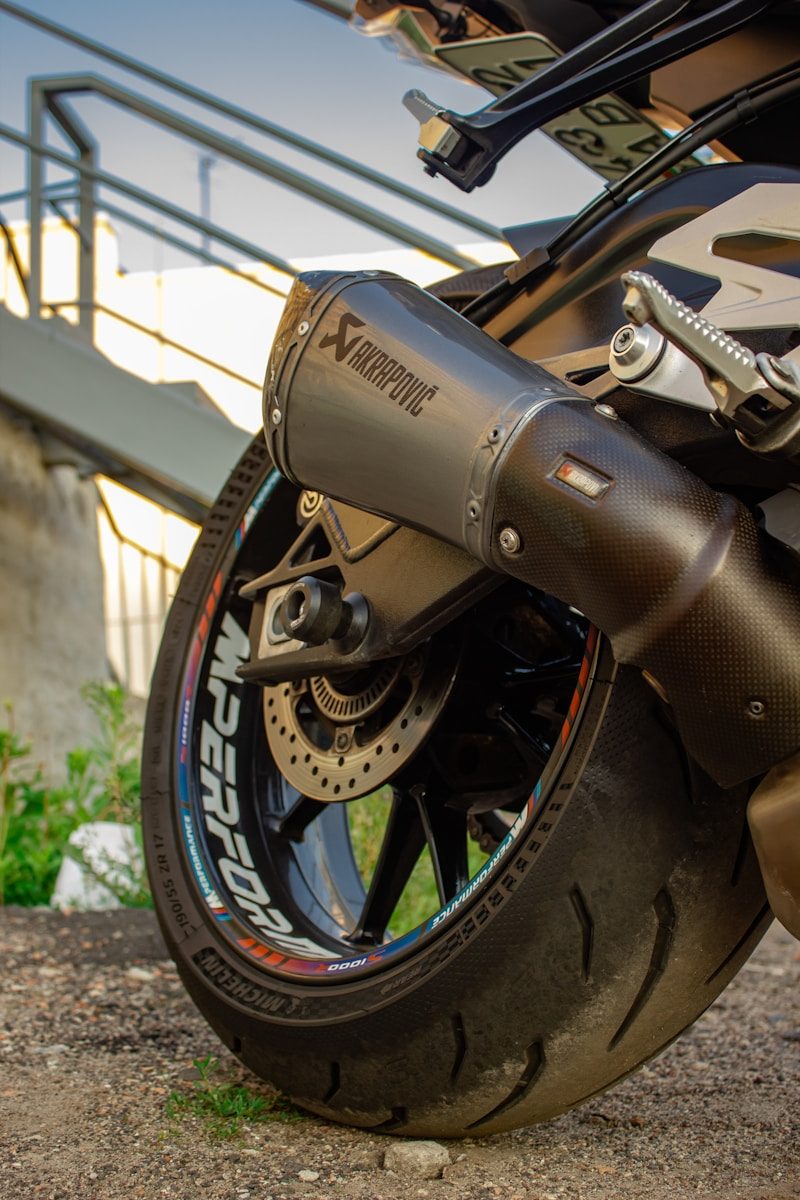
The size specifications must match the motorcycle’s design. Width, aspect ratio, and rim diameter are typically printed on the sidewall and in the owner’s manual. Departing from the recommended size affects handling, often subtly and sometimes dramatically. A wider tire than specified increases steering effort and slows response. A narrower tire decreases stability. The recommended size reflects the engineer’s best balance of factors specific to that motorcycle, and changing it should be a deliberate decision based on understanding the trade-offs.
Mounting motorcycle tires requires equipment beyond what most home garages have. Motorcycle tire machines exist but are different from automotive tire machines, with smaller bead breakers and different chuck designs. The hand-tool method, using tire irons and brute force, is possible but tiring and prone to damaging the wheel or pinching the inner tube. Most riders pay a shop to mount and balance new tires, and the cost is reasonable given the complexity of the work.
Balance is more critical on motorcycles than on cars because the gyroscopic effect of motorcycle wheels stabilizes the bike, and any imbalance is felt directly through the bars and pegs. A poorly balanced motorcycle wheel produces a vibration at certain speeds that grows tiring on long rides and accelerates wear on bearings and steering head. Static balance is acceptable for cruiser and standard motorcycles, while sport bikes benefit from dynamic balancing that addresses imbalance across the width of the wheel.
Tire pressure affects motorcycle handling more dramatically than car handling. Pressure changes of two or three pounds noticeably alter steering feel, contact patch size, and grip characteristics. The manufacturer’s recommended pressure is the starting point, and most experienced riders find their preferred pressures slightly above or below the recommendation depending on riding style and conditions. Solo riding versus carrying a passenger requires different pressures; loaded touring with luggage demands higher pressures than empty bike riding.
Pressure should be checked cold, before riding. Hot tires read several pounds higher than cold ones, and adjusting pressure when hot leaves the tire underinflated when cold. A digital gauge accurate to half a pound is worth the investment; gas station gauges are notoriously inaccurate. Checking before every significant ride takes thirty seconds and catches slow leaks before they become flats.
Tire age matters as much as tread depth on motorcycles. Rubber compounds harden over time even with no use, and a tire that looks new but is six years old grips noticeably worse than a fresh tire. The DOT date code on the sidewall reveals manufacture date; tires older than five years should be inspected closely, and tires older than ten years should be replaced regardless of tread. The compound aging in the center contact patch zone is what causes wet weather grip loss long before tread depth becomes a concern.
Tread wear indicators identify when the tire is legally worn out, but motorcyclists should consider replacement well before reaching the indicators. Wet weather performance degrades sharply once tread depth drops below about three millimeters, and motorcycle riders are far more vulnerable to wet weather grip issues than car drivers. Replacing tires while still showing visible tread is normal practice for safety-conscious riders.
Cupping or scalloping on motorcycle tires usually indicates a suspension or alignment issue. Worn fork springs, stuck steering head bearings, or loose swingarm bearings can all produce uneven tire wear. Addressing the underlying problem prevents repeating the wear pattern with the new tires.
Riding style affects wear dramatically. Aggressive cornering wears the shoulders quickly while leaving the center fresh. Long highway riding wears the center while leaving the shoulders untouched. Mixed riding wears more evenly. Tracking which areas wear fastest gives clues about how the bike is being ridden and whether the tire choice fits the riding style.
Tire warmers exist for track use, where keeping the rubber hot allows immediate aggressive riding without the cold-tire crash that catches many street riders trying to ride hard on tires that have not warmed up. On the street, the first ten minutes of riding deserve restraint to allow tires to reach operating temperature. Cold tires offer perhaps half the grip of hot tires, and aggressive inputs in the first few miles cause many low-side crashes.
Motorcycle tires reward attention. The rider who selects appropriately, maintains pressure, watches wear, and replaces in good time enjoys safer, more confident, and more pleasant riding. The rider who treats tires as an afterthought eventually pays for the inattention through degraded performance, faster wear, and elevated risk.