Off-road driving puts demands on wheels that highway use never approaches. Impacts at low speeds with sharp rocks, prolonged exposure to mud and water, repeated clamping forces from beadlock conversions, and the simple need to survive being landed on after a controlled drop all combine to make wheel selection a serious matter. Choosing wheels for off-road use is not just about looks; the wrong choice fails at the worst possible moment.
The first decision is material. Steel wheels remain the dominant choice for serious off-road use because they bend rather than break under impact. A steel wheel that hits a rock at low speed deforms, often visibly, but usually retains its air seal and can be hammered back to function on the trail. An aluminum alloy wheel that takes the same hit may crack catastrophically, leaving the vehicle stranded with no air in the tire and a permanently damaged wheel. For rock crawling, technical trail use, and remote travel where roadside repair is not available, steel is the safer choice despite its weight penalty.
Aluminum alloy wheels can be appropriate for milder off-road use. Forged aluminum is significantly tougher than cast aluminum and survives more abuse before cracking. Some specialty off-road brands produce forged aluminum wheels designed specifically for trail use, with thicker spokes, deeper barrels, and reinforced construction. These wheels cost substantially more than typical alloys but offer real durability advantages. For overland use that mixes long highway miles with moderate trail riding, a quality forged alloy wheel often makes sense.
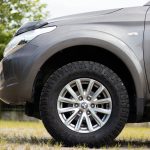
Wheel diameter is another critical consideration. Larger diameter wheels have less sidewall for any given overall tire size, and sidewall is what cushions impacts and allows air pressure reduction for traction. Off-road, smaller wheels with taller sidewalls are almost always better. A seventeen-inch wheel is a popular size for off-road builds because it allows enough sidewall for serious trail use while still accepting modern brake calipers. Eighteens and twenties look aggressive on the highway but compromise off-road performance significantly. Fifteens and sixteens, where they fit over the brakes, are excellent for dedicated off-road builds.
Width affects handling and traction. Narrower wheels work well on narrow tires designed for snow or sand, where the small contact patch is helpful. Wider wheels mount wider tires for grip on rocks and dry trails. Matching wheel width to tire width prevents the tire from squirming on the rim during low-pressure trail use. Most tire manufacturers specify a recommended wheel width range for each tire size, and staying within that range is important.
Backspacing and offset determine where the wheel sits within the wheel well. Off-road builds usually want the wheels pushed outward for clearance over the suspension and steering components, especially when running larger tires. Negative offset wheels achieve this look but increase the leverage on bearings and steering components. Wider track from negative offset improves stability on side slopes but can rub fenders and require fender modifications.
Beadlock wheels are specialty items for serious low-pressure use. Standard wheels rely on tire pressure to keep the bead seated against the wheel; below ten or twelve PSI, the bead can roll off the wheel under cornering loads, causing instant deflation. Beadlock wheels physically clamp the bead to the wheel using a bolted ring, allowing safe operation at single-digit pressures. Real beadlocks are not street-legal in many jurisdictions because the clamping ring exposed to the air can come loose, and they require regular maintenance of the clamp bolts. Faux beadlocks have the appearance without the function.
Hub-centric versus lug-centric mounting matters more off-road. Hub-centric wheels rest on a precisely sized center bore that matches the vehicle hub, supporting the wheel weight on the hub itself rather than on the lug nuts. Lug-centric wheels rely on the lug nuts to center the wheel, which works fine on the highway but can allow slight motion under repeated impact loads. For off-road use, hub-centric mounting with proper hub rings is preferable.
Lug nut style and torque are critical. Off-road impacts can loosen lug nuts that were properly torqued at installation. Open-end lug nuts allow water, mud, and rust to attack the studs. Closed-end lug nuts protect better but must be the correct length to engage the proper number of threads. Re-torquing lug nuts after every off-road trip is good practice, and using a calibrated torque wrench rather than a power tool prevents over- or under-tightening.
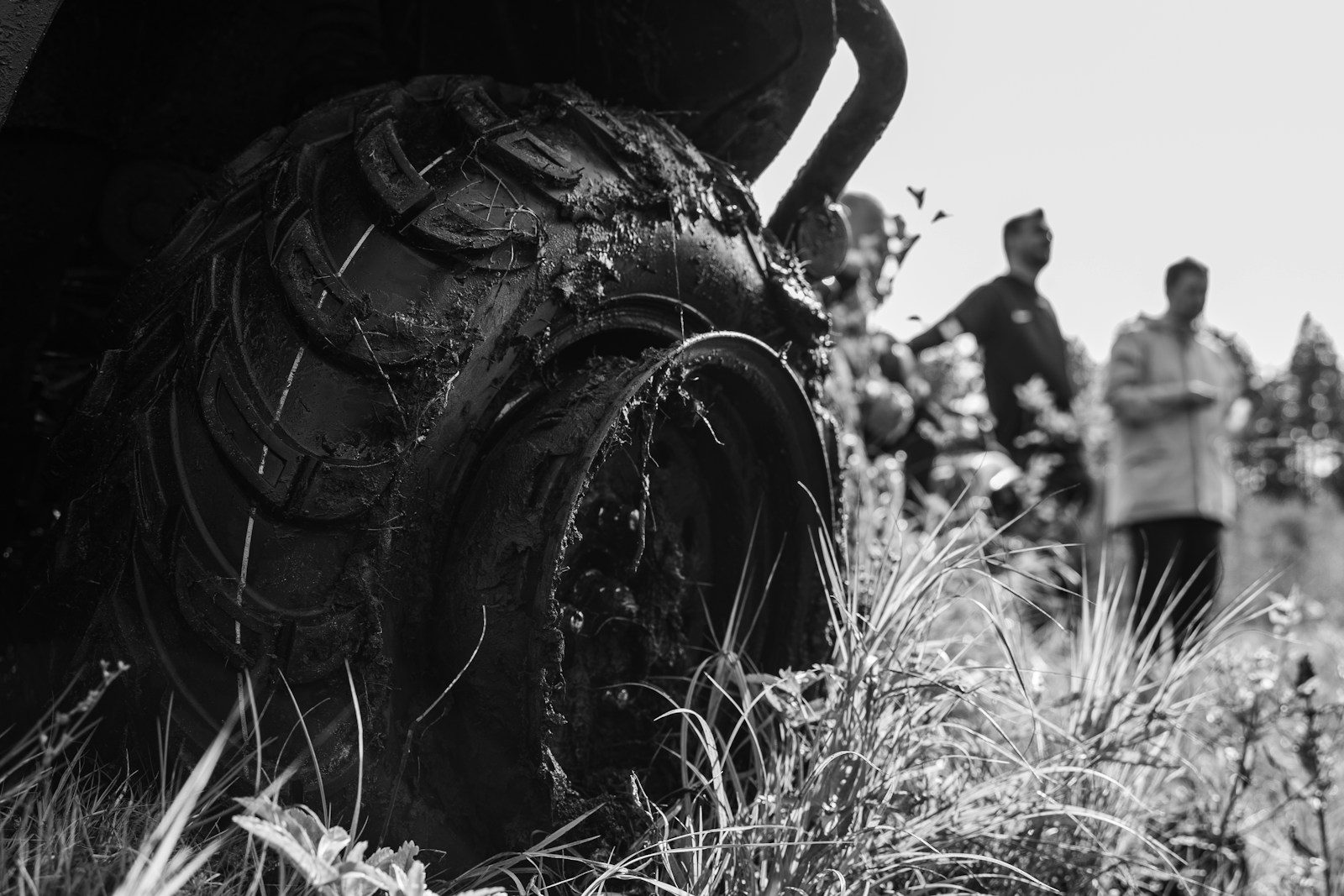
Maintenance of off-road wheels is its own discipline. Mud should be cleaned out promptly, especially from the bead area where it can compromise the seal. Water and salt should be rinsed off after any salty environment. Stone bruises on aluminum wheels should be inspected for cracks. Bead seal corrosion should be addressed before slow leaks become daily annoyances.
Tire and wheel combinations should be balanced even for off-road use, especially when significant highway driving is involved. Many off-road tires are difficult to balance well due to their aggressive tread, but a quality shop can usually achieve acceptable balance with modern equipment. Out-of-balance highway driving wears suspension components and is fatiguing on long trips.
Spare wheels deserve mention. Many off-road enthusiasts run a matching wheel and tire as the spare, ensuring that any tire failure is recoverable with a full-size, full-tread spare rather than a temporary doughnut. Mounting the spare in an accessible location, often on a tire carrier at the rear of the vehicle, makes the change practical when conditions are poor.
Choosing off-road wheels well rewards owners with confidence on the trail and reliability over years of use. Choosing poorly leaves them stranded at inconvenient moments with damaged hardware and unhappy passengers. The decision deserves more attention than most buyers give it.