Motorcycle wheels carry a rider’s weight at speeds that allow no margin for failure, and the choice of wheel construction directly affects safety, handling, and the aesthetic of the bike. The four main types, cast aluminum, forged aluminum, traditional spoked, and modern composite, each offer distinct advantages and trade-offs that suit different bikes and uses. Understanding what separates them helps owners make informed decisions about replacement, modification, or evaluating a used motorcycle.
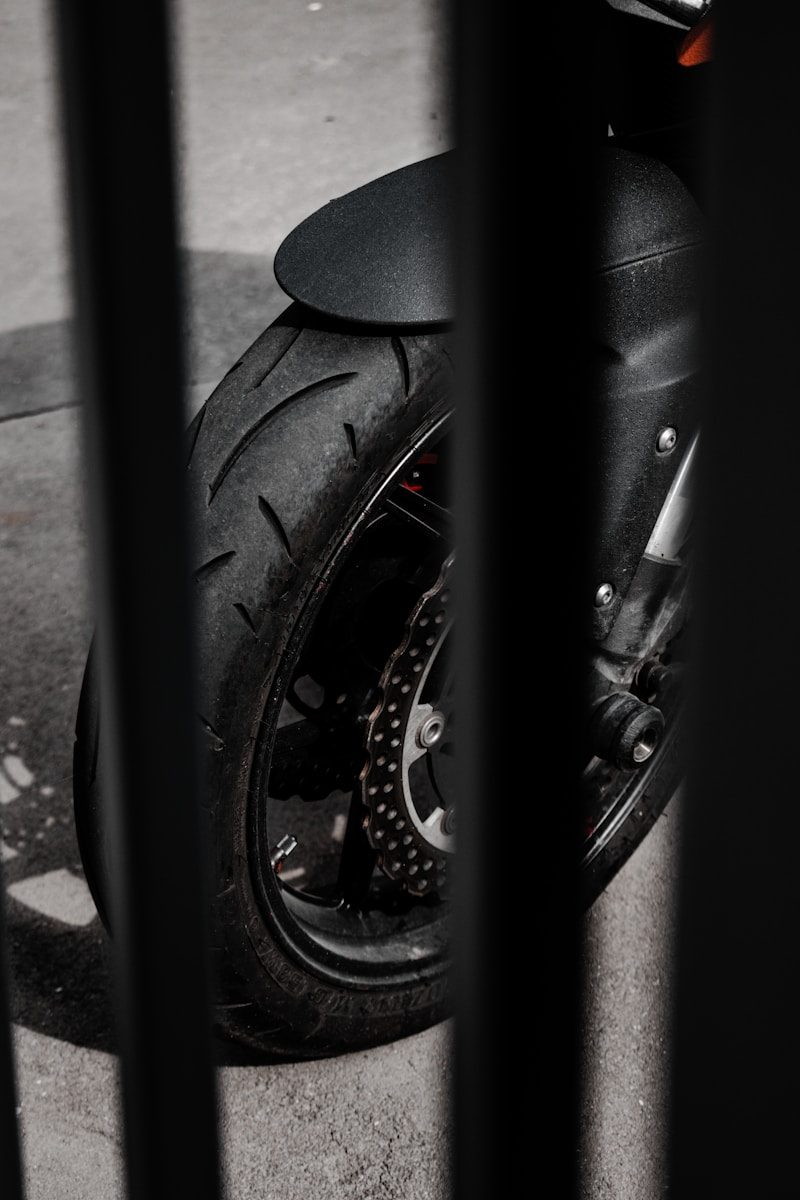
Cast aluminum wheels are the most common type on modern motorcycles. They are produced by pouring molten aluminum alloy into a mold and allowing it to solidify. The casting process is relatively cheap, allows complex spoke designs, and produces a finished wheel that needs only minor machining to be ready for use. Cast wheels appear on nearly every standard, sport, cruiser, and touring motorcycle sold today. They are durable, hold up well to street use, and look attractive in countless designs.
The trade-offs of cast wheels are weight and impact resistance. Casting cannot achieve the same density and grain alignment as forging, so cast wheels need slightly more material to achieve equivalent strength. They also fracture more abruptly under severe impact rather than bending. A cast wheel that hits a deep pothole at speed may crack rather than deform, leaving the rider with a dangerous failure. For street use, this risk is manageable; the impacts that crack a cast wheel would typically damage any wheel, and modern casting has narrowed the gap to forging significantly.
Forged aluminum wheels are produced by pressing solid aluminum billets into shape under enormous pressure. The forging process aligns the metal grain along the directions of stress, producing a stronger, denser wheel. Forged wheels can be made lighter than cast wheels of equivalent strength, and they bend rather than crack under severe overload. The downsides are cost, since forging requires expensive equipment and more material waste, and design flexibility, since complex spoke patterns are harder to forge than to cast.
Forged wheels appear on premium sport bikes, race bikes, and custom motorcycles where weight matters most. The reduced unsprung weight improves suspension response, and the lower rotating mass aids acceleration and braking. For aggressive street riders and track-day participants, forged wheels offer real performance benefits along with their visual appeal. Cost can run several times the price of cast wheels, putting them out of reach for many owners.
Traditional spoked wheels use a hub, spokes, and a rim, similar to bicycle wheels but vastly heavier and stronger. They are standard on adventure bikes, dual-sport motorcycles, classic and custom cruisers, and many vintage bikes. Spoked wheels offer specific advantages for off-road use, where their ability to flex slightly and absorb impacts without cracking suits rough terrain. They are also field-repairable to some degree, with bent spokes replaceable and trueing possible with hand tools.
The disadvantages of spoked wheels include weight, the need for tubed tires on most designs, and ongoing maintenance. The spokes can loosen over time and require periodic tensioning. Tubed tires are more vulnerable to slow leaks and harder to repair on the road than tubeless tires. Modern spoked wheels using sealed hubs and tubeless-compatible designs have addressed some of these issues, with bikes such as adventure tourers offering the best of spoked durability with tubeless convenience.
Composite wheels, made primarily from carbon fiber, represent the cutting edge of motorcycle wheel technology. Carbon wheels are dramatically lighter than any metal alternative, with reductions of half the weight not unusual. The performance benefits are substantial: faster acceleration, quicker steering response, better suspension performance, and lower fuel consumption. The visual appeal of carbon weave is its own draw for many riders.
The trade-offs of carbon wheels are cost and damage tolerance. Premium carbon wheels can cost as much as a used motorcycle, putting them firmly in the realm of dedicated enthusiasts. They are more sensitive to impact damage than aluminum, with cracks possible from impacts that aluminum would absorb. Inspection after any significant impact is essential because carbon damage may not be visible from outside but can compromise structural integrity. Some manufacturers offer crash replacement programs that defray the cost of replacements after impact damage.
Wheel size and design affect handling significantly. Smaller diameter wheels with shorter sidewalls reduce angular momentum and quicken steering response, while larger wheels offer stability and ride comfort. Wider wheels mount wider tires for more grip; narrower wheels mount lighter tires for less rotational mass. The OEM wheel size on most motorcycles reflects engineering compromises specific to that model, and changing size can have effects on speedometer accuracy, ABS calibration, suspension geometry, and clearance.
Wheel maintenance varies by type. Cast and forged aluminum wheels need primarily cosmetic care, with cleaning, polishing, and inspection for cracks. Spoked wheels require periodic spoke tension checking, true-ing if necessary, and inspection of the spokes and nipples for corrosion or fatigue. Composite wheels need careful inspection after any impact, careful cleaning to avoid damage from harsh chemicals, and replacement if any cracks are found.
Bearings exist in all wheel types and require periodic service. Sealed cartridge bearings are now standard on most modern wheels, with the bearings requiring replacement rather than adjustment when they wear or develop play. Worn wheel bearings produce humming or growling sounds that change with speed and worsen over time. Replacing them promptly prevents collateral damage to the wheel itself and to other components.
The right wheel choice depends on the rider’s needs, budget, and use. Daily street riders are well-served by quality cast wheels. Performance street and track riders benefit from forged wheels. Off-road and adventure riders gain from spoked wheels. Dedicated enthusiasts and racers see real benefits from composite wheels at the cost. Knowing what each type offers and why allows informed decisions rather than impulse purchases driven by appearance alone.