The tire industry has introduced a category called all-weather tires that sits between traditional all-seasons and dedicated winter tires, raising a question worth examining: do these new tires deliver real performance gains across the full year, or are they marketing dressing on essentially the same compromised product as before? The answer requires understanding what all-weather tires actually are, what they offer, and where their limits lie.
Traditional all-season tires earned their name as a compromise between summer and winter performance. They use compounds and tread designs that aim to provide acceptable grip in any conditions, sacrificing peak performance in any single condition for usability across all of them. The compromises showed in cold weather, where compound stiffening reduced grip even on dry pavement, and in heavy snow, where tread designs lacked the deep biting edges of true winter tires.
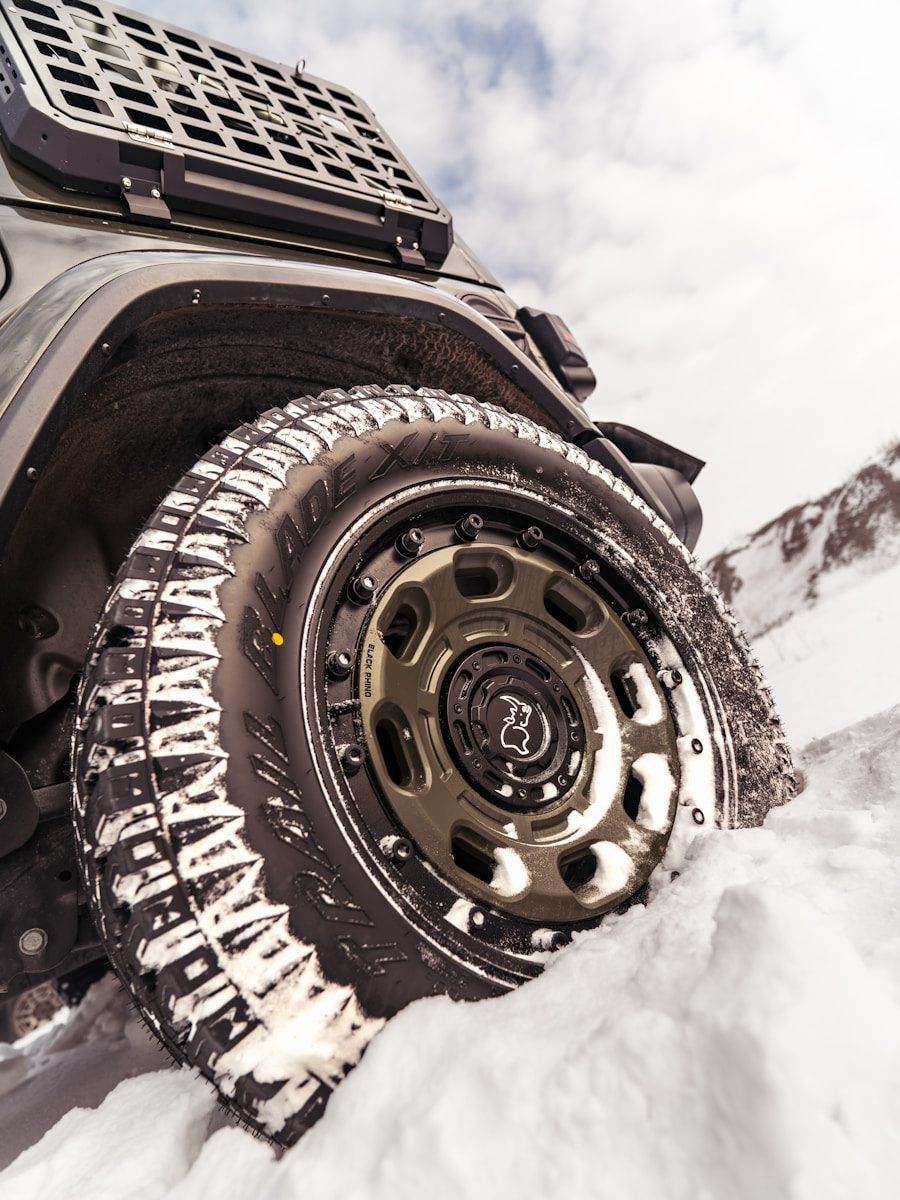
All-weather tires represent a genuine technical advance over all-seasons. They earn the three-peak mountain snowflake symbol that certifies winter capability under specific testing standards. The certification requires demonstrated traction on packed snow at a specified level, ensuring that all-weather tires offer real winter capability rather than marketing claims. This places them in a different category from traditional all-seasons, which carry only the weaker M+S marking that requires no specific performance testing.
The compounds used in all-weather tires draw from winter tire technology, with silica-rich formulations that maintain flexibility at lower temperatures than all-season compounds achieve. The flexibility translates to better grip on cold dry pavement and better adherence to snow and ice. The trade-off is somewhat faster wear in hot summer conditions and slightly less precision on warm dry pavement, since the soft compound deforms more under cornering loads.
Tread designs on all-weather tires often borrow elements from both worlds. The outer regions of the tread may resemble all-season patterns for water dispersion and dry handling, while the center and shoulders incorporate aggressive siping for snow and ice grip. The deep tread depth typical of winter tires appears in modified form, providing snow performance without the dramatic noise penalty of true winter tread.
Real-world performance testing shows all-weather tires falling between dedicated summer or all-seasons and dedicated winter tires in their respective conditions. They cannot match a true winter tire on sustained snow or ice, and they cannot match a summer tire on warm dry pavement. They do, however, exceed the performance of traditional all-seasons in winter conditions while offering acceptable summer performance, providing a genuine middle option for drivers who cannot or will not run two sets of tires.
The use case for all-weather tires fits drivers in moderate climates with occasional severe weather. A driver in a temperate region who sees snow only a few times per winter, or who experiences heavy rain regularly with occasional cold, may find all-weather tires offering the most useful balance. The improvement over all-seasons in challenging conditions can be substantial, and the convenience of running one set year-round eliminates the seasonal swap costs and effort.
The use case becomes weaker in regions with sustained extreme conditions. Drivers in heavy snow regions are better served by dedicated winter tires for the cold months. Drivers in regions with hot summers and minimal winter weather may find all-weather tires wearing faster than necessary while providing no benefit they would not have received from a quality all-season. Matching the tire to the actual climate matters more than choosing the most capable-sounding category.
Pricing for all-weather tires typically falls between premium all-seasons and dedicated winter tires. The price premium over all-seasons is real, and drivers must decide whether the additional capability justifies the cost. For some, the improvement in winter performance is worth the price even if extreme conditions are rare. For others, the price difference would be better spent on a basic winter tire set that delivers genuinely superior cold-weather performance.
Wear life is a complicating factor. All-weather tires generally wear faster than premium all-seasons because their softer compounds and aggressive tread patterns trade longevity for performance. The cost per mile may end up similar or higher, even with the price premium, because the tires need replacement sooner. This calculation depends heavily on use, with low-mileage drivers seeing less wear-related cost while high-mileage commuters absorbing more.
Brand differences within the all-weather category are significant. The leading manufacturers have invested heavily in developing genuine all-weather technology, while some lower-tier brands have applied the snowflake symbol to tires that pass the minimum test but offer little practical advantage over their all-season alternatives. Reading independent test results from credible sources reveals which brands deliver real performance and which trade on marketing.
The long-term direction of the industry suggests that all-weather tires will continue to improve. Compound technology, tread design, and modeling all advance steadily, and the gap between all-weather and dedicated seasonal tires has narrowed over the past decade. Future generations of all-weather tires may match dedicated winters more closely while approaching summers in dry conditions, but for now real trade-offs remain.
The marketing language around all-weather tires sometimes overstates capability. Phrases such as performs in all conditions or year-round confidence imply equivalence to dedicated tires that the products cannot deliver. Reading the technical specifications, understanding the testing standards, and consulting independent reviews give a more accurate picture than marketing alone.
For most drivers in moderate climates, all-weather tires represent a genuine improvement over all-seasons that justifies their place in the market. They are not a complete substitute for dedicated seasonal tires in extreme conditions, but they fill a niche between the all-season compromise and the seasonal-swap commitment. Drivers who would otherwise run mediocre all-seasons year-round are better served by all-weather tires, while drivers who would benefit from dedicated tires should commit to the seasonal strategy. The category is real, the improvements are real, and the marketing is mostly accurate, with the caveat that no single tire optimizes for every condition.