Winter tires divide the driving population into those who use them and those who do not, with little middle ground. Drivers who have experienced the difference rarely go back to all-season tires for winter driving, while those who have never used them often question whether the swap is worth the cost and inconvenience. The honest answer depends on climate, but where winters bring real cold, snow, or ice, dedicated winter tires represent one of the largest practical safety upgrades available to any driver.
The fundamental difference between winter and all-season tires lies in compound. Rubber stiffens as it cools, and a tire that grips well on a sixty-degree summer day becomes hard and slippery at twenty degrees. All-season compounds are engineered to balance grip across a moderate temperature range, sacrificing some performance at extremes to maintain reasonable behavior in middle conditions. Winter compounds use specialized polymers and silica additives that stay flexible at temperatures where summer compounds become hard. Below seven degrees Celsius, winter tires begin to outperform all-seasons even on dry pavement, with the difference growing as temperatures fall further.
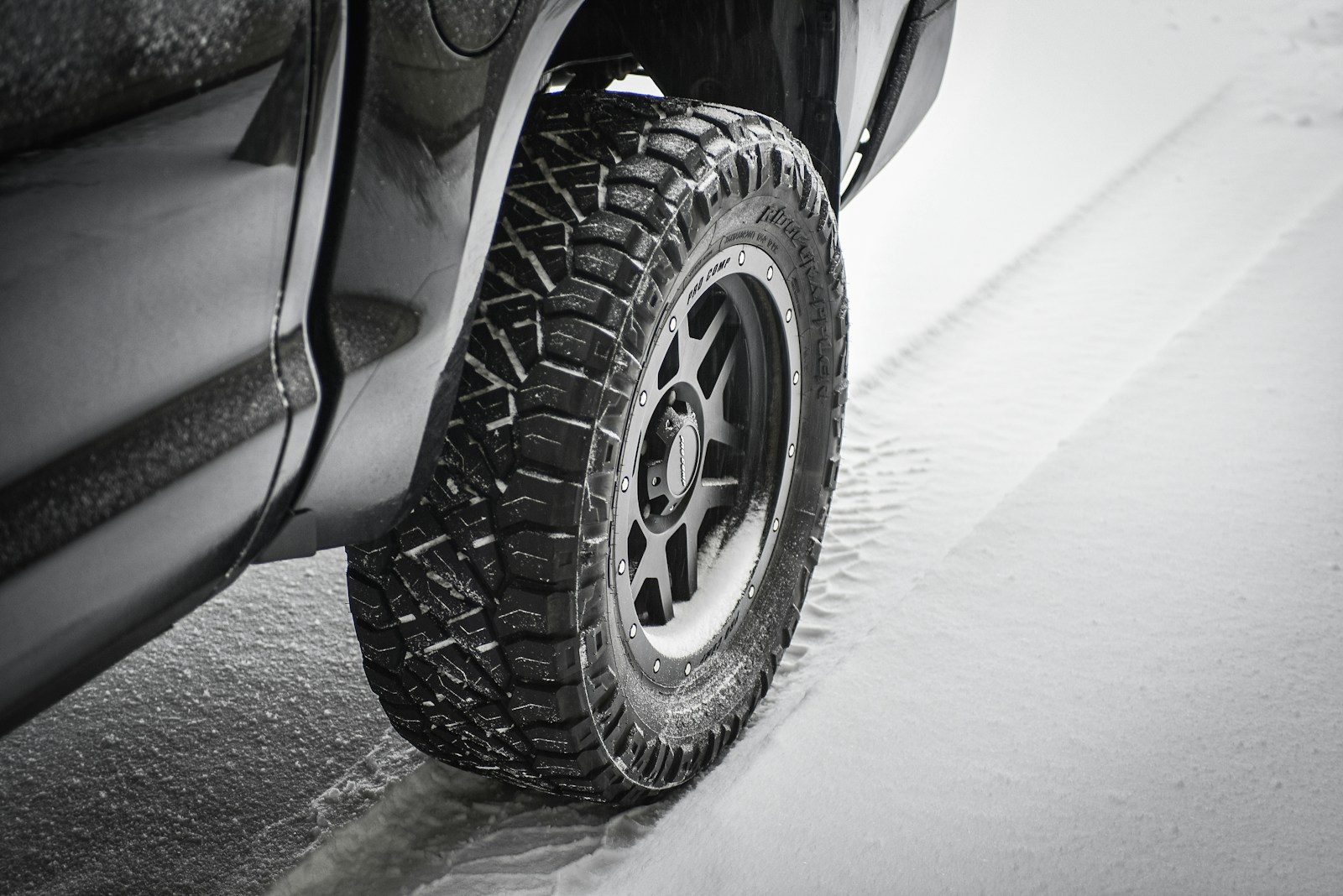
Tread design adds another layer. Winter tires use deeper, more aggressive tread patterns with more siping than all-seasons. Sipes are the small slits cut into tread blocks that create biting edges on snow and ice. A winter tire has hundreds of sipes per tire, providing tens of thousands of small edges that grip frozen surfaces. The deeper tread also clears snow from the contact patch better, preventing the tire from packing with snow until it spins on a layer of compressed snow with no grip.
The performance differences are dramatic in real conditions. Stopping distances on snow can be cut in half with winter tires versus all-seasons, with even larger improvements on ice. Cornering grip on cold, dry pavement improves measurably, sometimes by twenty or thirty percent. Acceleration on slippery surfaces is faster and more controlled, reducing wheelspin and the panic of stuck tires that all-season drivers know well. The same vehicle becomes a fundamentally different machine in winter conditions when properly equipped.
The cost objection is the most common reason for not switching. Winter tires are an expense, and a second set of wheels for them is another expense. The mathematics work out better than most assume, however. Running winter tires for the cold months means the all-season or summer tires accumulate no wear during that period, extending their life by a third or more. Over the course of multiple sets, the total tire cost is similar whether using two sets seasonally or one set year-round, with the seasonal arrangement providing dramatically better safety as a free bonus.
Dedicated winter wheels save money over the years. Mounting winter tires on the same wheels every fall and removing them every spring requires labor for each swap, plus the wear on the tire bead from repeated mounting. Cheap steel winter wheels, often sourced from a junkyard or budget aftermarket supplier, take a one-time cost and then save the swap labor every season. The wheels can be ugly because they are hidden under snow most of the time, and steel is more impact resistant for the inevitable curb hits in snow-covered streets.
Tire pressure management changes for winter. Cold air is denser, and the same tire shows lower pressure when the temperature drops. A pressure check during a warm October day before winter sets in is misleading; the same tire shows three or four pounds lower in January. Winter tire owners check pressure more often than summer tire owners, sometimes weekly during cold snaps. Tire pressure monitoring systems alert drivers to dropped pressures, but they are not substitutes for active checking.
The mounted tire age affects performance significantly on winter tires. The compound advantages described earlier require fresh rubber; aging hardens winter compound just like any other tire compound. A six-year-old winter tire has lost much of its cold-weather advantage even if the tread looks fine. Most manufacturers specify replacement of winter tires after four to six seasons regardless of tread depth, and following this guidance maintains safety.
Tread depth matters more on winter tires than on summer tires. Snow performance degrades sharply once tread depth drops below five thirty-seconds of an inch. Many winter tires have a separate wear indicator showing when winter performance has degraded, even if the tire still has legal tread for general use. Replacing winter tires while still showing legal tread is normal practice for serious winter drivers.
Studded tires represent an extreme winter solution that works dramatically in some conditions but creates trade-offs in others. Studs are small metal protrusions in the tread that bite into ice for unmatched grip. The grip on ice is genuinely superior to non-studded tires, but on dry pavement studs damage the road surface, create noise, and provide less grip than the rubber alone would. Many regions restrict or prohibit studded tires due to road damage, and others allow them only seasonally. Studless winter tires using modern compound technology have closed much of the gap to studded tires, except on glare ice where studs still hold an advantage.
The three-peak mountain snowflake symbol on a tire indicates it has passed a specific snow traction test and qualifies as a true winter tire. M+S marking alone is a much weaker designation that all-seasons can carry without any real winter capability. Looking for the snowflake symbol identifies tires that meet a meaningful standard.
The decision to switch to winter tires depends on local conditions. Drivers in regions with mild winters and rare snow may not see enough benefit to justify the cost. Drivers in regions with sustained cold, regular snow, or icy conditions see safety improvements that translate to fewer accidents, lower insurance claims, and dramatically more confidence behind the wheel. The safety case for winter tires is strong wherever winter is real, and most drivers who switch wonder why they waited so long.