Shocks and struts wear gradually, often over many tens of thousands of miles, and the decline is so slow that drivers adapt without realizing the vehicle has changed. Recognizing the signs of worn dampers separates owners who maintain their cars proactively from those who replace dampers only after damage has spread to other systems. The cost of fresh dampers is moderate, but the benefits in safety, tire life, and driving pleasure are substantial.
The classic test for damper condition is the bounce test. Press down firmly on a corner of the vehicle and release. A working damper allows the body to return to height with one or at most one and a half oscillations. A worn damper allows the body to bounce two or three times before settling, sometimes more. The test is rough but reveals dramatically failed dampers. Modern damper designs are valved more aggressively than older ones, and even a relatively new car may bounce noticeably; the more useful comparison is between sides of the vehicle and against memory of how the same vehicle felt when newer.
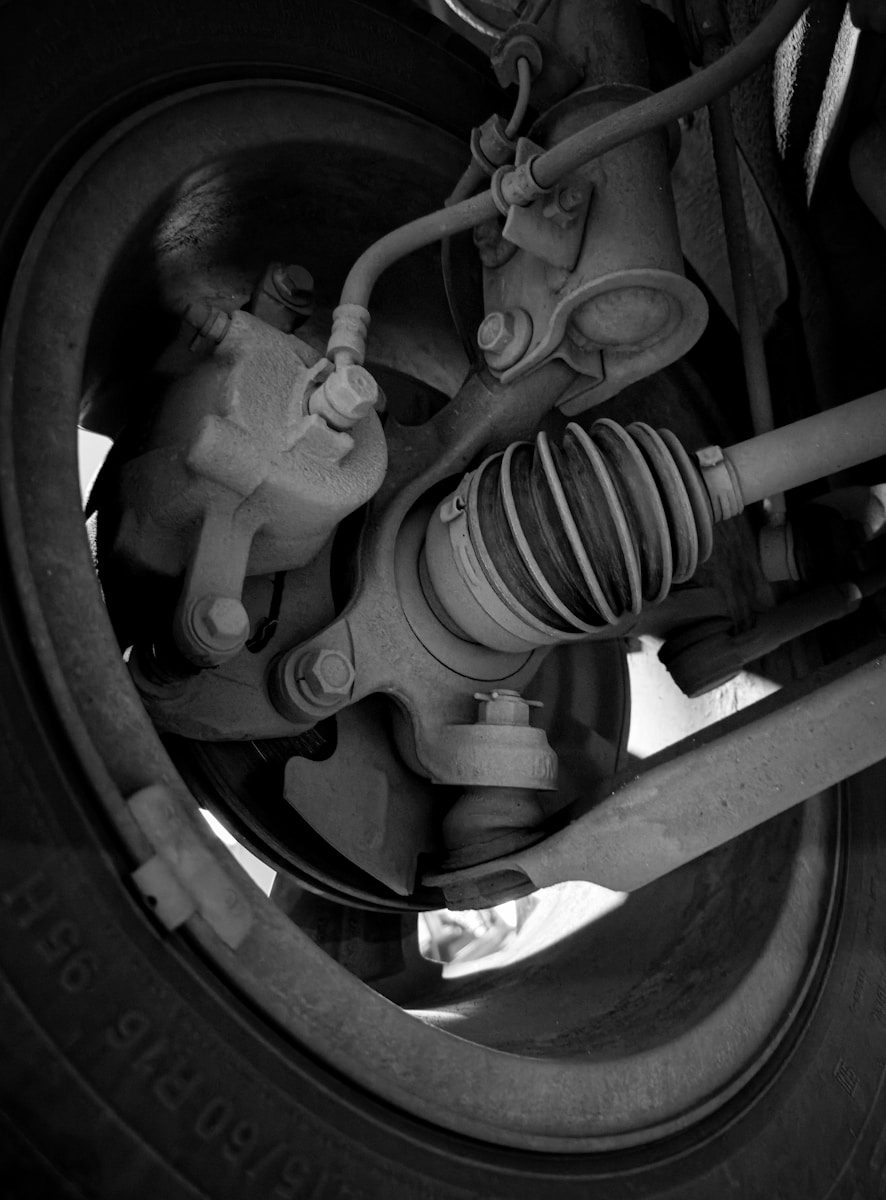
Visual inspection reveals leaking dampers. The shock or strut body should be clean and dry. Any wet film of oil running down the body indicates that the internal seal has failed and the damper has lost some of its hydraulic fluid. A leaking damper has degraded performance and continues to lose fluid until it produces no damping at all. Some manufacturers consider a small amount of weeping normal for the first thousand miles of new dampers, but persistent or growing wet patches require replacement.
Ride quality changes are the symptom most drivers notice first, though they often misattribute the change. The vehicle feels less settled over rough roads, with more head toss for passengers and more harsh impacts felt through the seat. Speed bumps that used to absorb cleanly now produce a secondary jiggle as the body resettles. Highway expansion joints that previously caused a single thump now produce a thump followed by a small bounce. These changes happen gradually, and drivers often blame the road or the tires rather than recognizing damper wear.
Body motion in corners is another tell. A vehicle with worn dampers leans more in corners, dives more under braking, and squats more under acceleration. The motion is not just larger but slower and less controlled, with the body appearing to flop into place rather than transitioning smoothly. Photographers often capture this in passing shots, where a vehicle with worn dampers shows visible body lean that newer dampers would suppress.
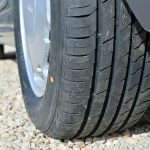
Tire wear patterns also signal damper trouble. Cupping or scalloping is a wear pattern where the tread shows alternating high and low spots around the circumference of the tire. The cause is the tire bouncing off the road as the worn damper fails to keep it in contact, with the bouncing creating a regular pattern of wear. Cupping is particularly common on rear tires when rear shocks wear out, and it produces a humming noise that worsens with speed. Once cupping is established, replacing dampers will not fix the existing tire wear, only prevent further damage.
Handling becomes less precise with worn dampers. Steering feel becomes vague because the front tires bounce slightly off the road, breaking the consistent grip that quick steering responses require. Braking distances grow as the vehicle pitches forward and the rear lifts, transferring weight off the rear tires and reducing their contribution to stopping. Emergency lane changes feel uncertain as the body roll continues longer than expected, leaving the driver waiting for the vehicle to settle before completing the maneuver.
The function of dampers in stability control becomes critical at the limit. Modern stability systems assume tires remain in contact with the road. Worn dampers cause tires to leave the road momentarily over rough surfaces, and the loss of contact temporarily disables stability control’s ability to brake that wheel or transfer torque. The vehicle becomes more dangerous in emergency situations precisely when it most needs to be predictable.
Replacement of dampers should usually be done in pairs across an axle, both fronts together or both rears together. Replacing only one creates a side-to-side imbalance that is worse in some ways than two equally worn dampers. Many shops recommend replacing all four together, which is the safest option for vehicles with significant mileage where all dampers have aged together.
Choice of replacement dampers matters. Original equipment dampers from the dealer match the engineered ride of the vehicle. Aftermarket dampers vary widely; some restore the original feel, others increase stiffness for sportier handling, and some adjustable units allow the driver to dial in personal preference. Cheap aftermarket dampers can disappoint quickly, with poor valving and short service lives.
Strut replacement is more involved than shock replacement because the strut is part of the steering and suspension geometry. Replacing struts requires alignment afterward, and many shops include a basic alignment in their strut service. The springs on struts are under significant compression and require a spring compressor for safe handling; this is the dangerous part of strut work that justifies professional service for owners without proper tools.
The cost of damper replacement varies by vehicle and parts choice, but it is consistently among the most worthwhile maintenance investments. The improvement in ride and handling after fresh dampers is dramatic, often making the vehicle feel ten years newer. Drivers who experience the transformation usually wonder why they waited so long, and the answer is almost always because the decline happened too gradually to notice.