The question of whether to repair or replace a damaged wheel often comes down to the type of wheel involved. Steel wheels and aluminum alloy wheels have very different economics, repair options, and lifecycle considerations, and what makes sense for one rarely makes sense for the other. Understanding these differences helps owners decide quickly when a damaged wheel deserves the time and money of a repair shop versus a trip to a junkyard or wheel retailer.
Steel wheels remain the standard for budget vehicles, fleet vehicles, and many winter wheel sets. They are heavier than aluminum alloys, which works against fuel economy and unsprung weight, but they are also significantly cheaper to manufacture, more impact-resistant in some failure modes, and far easier to repair in others. A steel wheel that has been bent by a pothole can often be restored to round on a hydraulic press by a competent shop, and the repair cost may be less than half the price of a replacement. For winter wheel sets where appearance matters less and impact damage is more frequent due to potholes hidden under snow, steel is the practical choice many drivers default to season after season.
Steel wheels do have weaknesses. They rust, especially in regions with road salt, and rust can spread under any cosmetic plastic hubcap that hides it from view. They are heavy, and the unsprung mass affects ride and handling slightly. They have limited design flexibility because steel is harder to form into the elaborate spoke patterns that define modern wheel styling. Many steel wheels in current use are simply functional disks with stamped vent holes, intended to be hidden behind hubcaps or wheel covers.
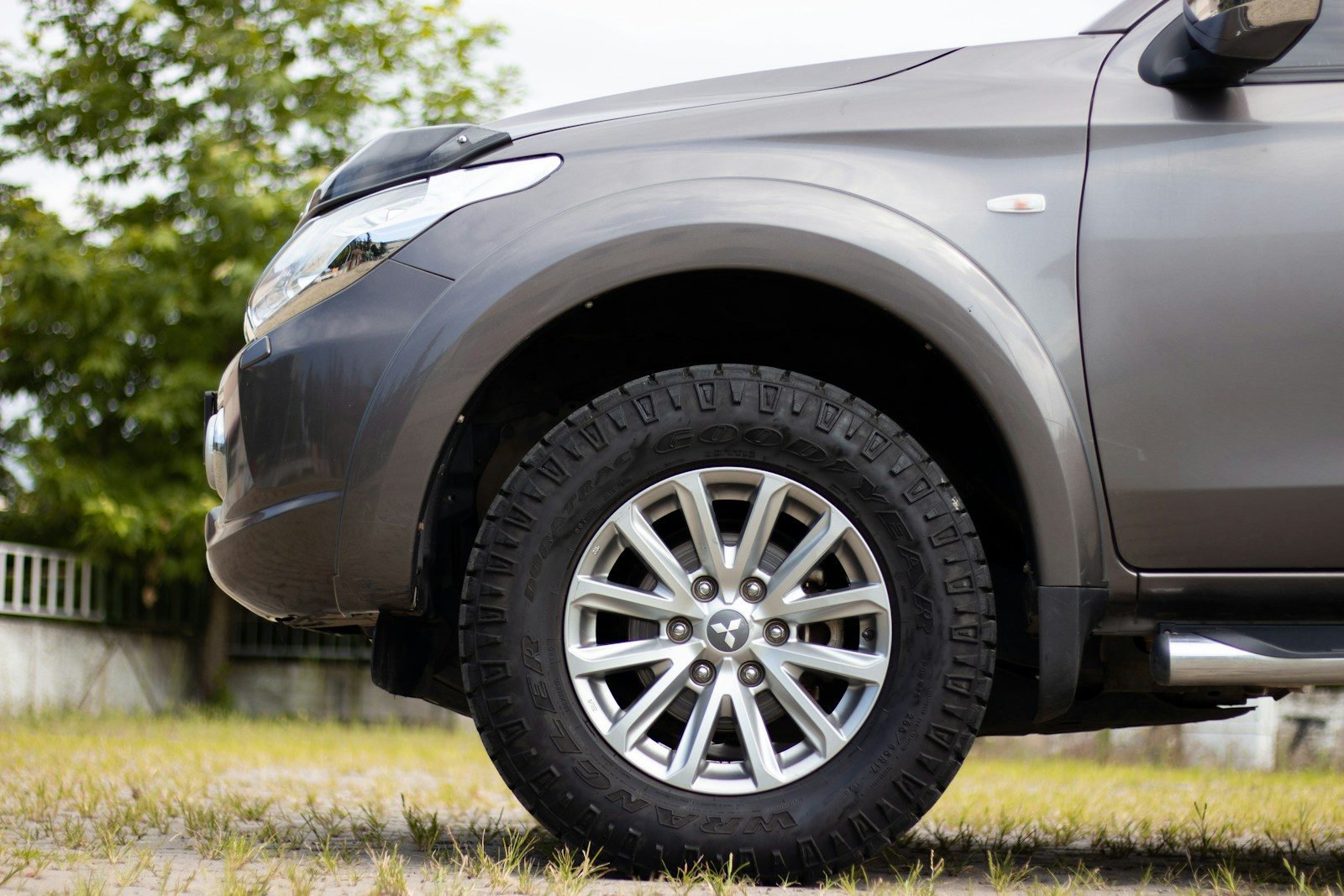
Aluminum alloy wheels dominate the modern passenger car market and offer dramatic advantages in weight, design freedom, and corrosion resistance. They are also more expensive to repair when damaged. A bent aluminum wheel must be straightened with care because the alloy can crack rather than yield under excessive force. Specialty shops use heating and gradual hydraulic pressure to coax a bent wheel back into round, and the process is more labor-intensive than steel repair. Cracks in aluminum wheels are essentially never safely repairable for road use, while small cracks in some steel wheels can be welded with reasonable confidence.
The repair decision tree differs sharply between materials. For steel wheels, almost any non-catastrophic damage is repairable cheaply. Curb rash on a steel wheel hidden behind a hubcap is a non-issue. Rust can be sanded and painted. Minor bends straighten easily. Even modest cracks in steel can be welded by a skilled technician, though replacement is usually preferable for safety. The threshold for replacing a steel wheel is essentially structural failure that cannot be safely restored.
For aluminum alloys, the calculus is more nuanced. Curb rash is purely cosmetic but expensive to fully refinish, so many owners live with it. Bent aluminum wheels that have not cracked can be straightened, but the cost approaches a meaningful fraction of replacement cost, especially for less expensive wheels. The decision often comes down to the specific wheel: a unique factory wheel or one with discontinued availability is worth repairing aggressively, while a common aftermarket wheel is often cheaper to replace.
Forged aluminum wheels are a special case. They are stronger than cast aluminum, more expensive to manufacture, and used on premium and performance vehicles. Their strength means they bend less under impact but resist repair more stubbornly because the forged grain structure cannot be easily reshaped. Forged wheels that survive impact often survive perfectly, but those that crack are essentially scrap. The repair cost for a forged wheel approaches replacement cost in most cases, and replacement parts can be eye-wateringly expensive for performance vehicles.
Magnesium wheels, found mostly on motorsport applications and some high-end sports cars, are the most repair-resistant of all. Magnesium is reactive, prone to corrosion, and demands specialized facilities for any work beyond basic cleaning. Most owners of magnesium wheels send them back to the manufacturer or specialty shops for any service, and replacement is often the practical answer to damage.
Beyond material, the wheel’s role in the vehicle affects the repair decision. Dedicated winter wheels can be repaired more aggressively because they spend their service life on slow, salty roads where appearance matters less. Show car wheels demand cosmetic perfection that justifies extensive refinishing. Daily driver wheels fall in between, where a balance of safety, appearance, and cost guides decisions.
The age and rarity of the wheel also matters. Original equipment wheels for older vehicles can become hard to find as the vehicle ages out of mainstream service, and a careful repair preserves value. Aftermarket wheels with strong availability are often easier to replace than to repair. Wheels manufactured to obscure standards or specific to a discontinued model deserve more aggressive repair efforts because the alternative may be a multi-month search for replacements.
Insurance coverage occasionally enters the picture. Comprehensive policies sometimes cover wheel damage from road hazards, especially on premium vehicles where wheels can run thousands of dollars each. Tire and wheel protection plans, sold by some dealerships and tire retailers, cover certain types of damage and can shift the decision from out-of-pocket repair to covered replacement. Reading the terms of any such coverage carefully is essential because exclusions for curb damage, neglect, or off-road use are common.
The right answer for any specific wheel comes from honest assessment of damage, realistic comparison of repair and replacement costs, and consideration of how the vehicle is used. Knowing the differences between steel and alloy, between cast and forged, between original equipment and aftermarket, makes the decision faster and the outcome better.