Few cosmetic upgrades transform a vehicle as quickly as a fresh set of refinished wheels. Years of curb rash, brake dust etching, and clear coat failure can leave even an otherwise pristine car looking neglected. Refinishing the wheels rather than replacing them is a fraction of the cost, preserves the original equipment, and produces results that are often indistinguishable from new. Understanding the methods available and their relative merits helps owners choose the right approach for their wheels and their budget.
The simplest method is touch-up refinishing, suitable for minor scuffs and scratches that have not penetrated through the clear coat into the metal. A skilled technician sands the affected area, blends in matching paint, and clears over the repair. Touch-ups can disappear into the original finish if done well, especially on solid colors. Metallic and pearl finishes are harder to match because the orientation of the metallic flakes affects appearance under different lighting. Touch-up work is typically performed by mobile services that come to the home or workplace, and the price per wheel is modest, putting it within reach of most owners who simply want their daily driver to look presentable again.
Curb rash repair is a step up in scope. The damaged area is sanded, often deeply, sometimes filled with a metallic filler, then primed, painted, and clear-coated. The result is a smooth lip that matches the rest of the wheel. Mobile shops handle most curb rash work, and the turnaround is usually a single visit of a few hours per wheel. The quality varies enormously by technician; the best work is invisible from a few feet away, while poor work shows orange peel in the clear, mismatched color, or visible boundaries between repaired and original areas. Asking to see prior work, reading reviews, and meeting the technician before authorizing the repair are wise steps.
Full refinishing rebuilds the entire wheel surface from the metal up. The wheel is dismounted from the tire, the tire pressure-monitoring sensor is set aside, and the wheel goes through a multi-stage process: chemical or media stripping to remove all old finish, sanding and smoothing of any defects, primer application, color coats, and clear coat. Some shops use baked-on finishes for durability, with the wheel placed in an oven after each layer cures. Powder coating is a popular alternative that produces a thicker, more impact-resistant finish. The result of a full refinish is a wheel that often looks better than new, especially if the original finish had cosmetic compromises from the factory.
Diamond cut or machined-face wheels deserve special attention. These wheels have a polished metal face with paint in the recesses, a finish achieved with computer-controlled machining. Refinishing them requires a shop with a CNC lathe specifically for wheels, and the wheel is mounted on the lathe and re-cut to restore the machined appearance. Few shops have this equipment, and the cost is substantially higher than standard refinishing. The alternative is converting the wheel to a fully painted finish, which is dramatically cheaper but loses the original look.
Chrome plating is a specialized process that involves stripping the wheel completely, copper plating it, nickel plating it, and finally chrome plating it. The result is the brilliant mirror finish associated with chrome wheels of the past. Modern environmental regulations have made chrome plating less common and more expensive, and the process can introduce structural concerns by trapping hydrogen in the metal. Many owners now choose chrome-look powder coats that mimic the appearance without the durability or environmental issues.
Polishing is a related process for wheels with bare aluminum surfaces. The wheel is buffed to a mirror finish using progressively finer abrasive compounds, and the result is striking but high-maintenance. Bare polished aluminum oxidizes quickly without protection, requiring frequent re-polishing or the application of a clear coat that itself eventually yellows or fails. Most owners who polish their wheels eventually opt for a clear coat that locks in the appearance even if it slightly dulls the brightness.
Cost varies dramatically with method and region. Touch-up work falls in one price tier, full curb rash repair in another, full refinishing in another, and specialty processes such as diamond cutting or chrome plating at the top. Owners should get multiple quotes and ask specifically what the price includes: tire mounting and balancing, sensor handling, transportation, and warranty terms. A quote that seems cheap but excludes mounting will rise sharply once the additional labor is added.
Quality control matters more than price. A poorly refinished wheel can look worse than the original damage, with flaking clear coat, mismatched color, or peeling within months. The best shops offer warranties of one or more years on their work, and they have records of repeat customers willing to vouch for their quality. Before authorizing work, the owner should inspect a finished wheel from a previous customer, ideally one that has been on the road for at least a year, to see how the finish has held up.
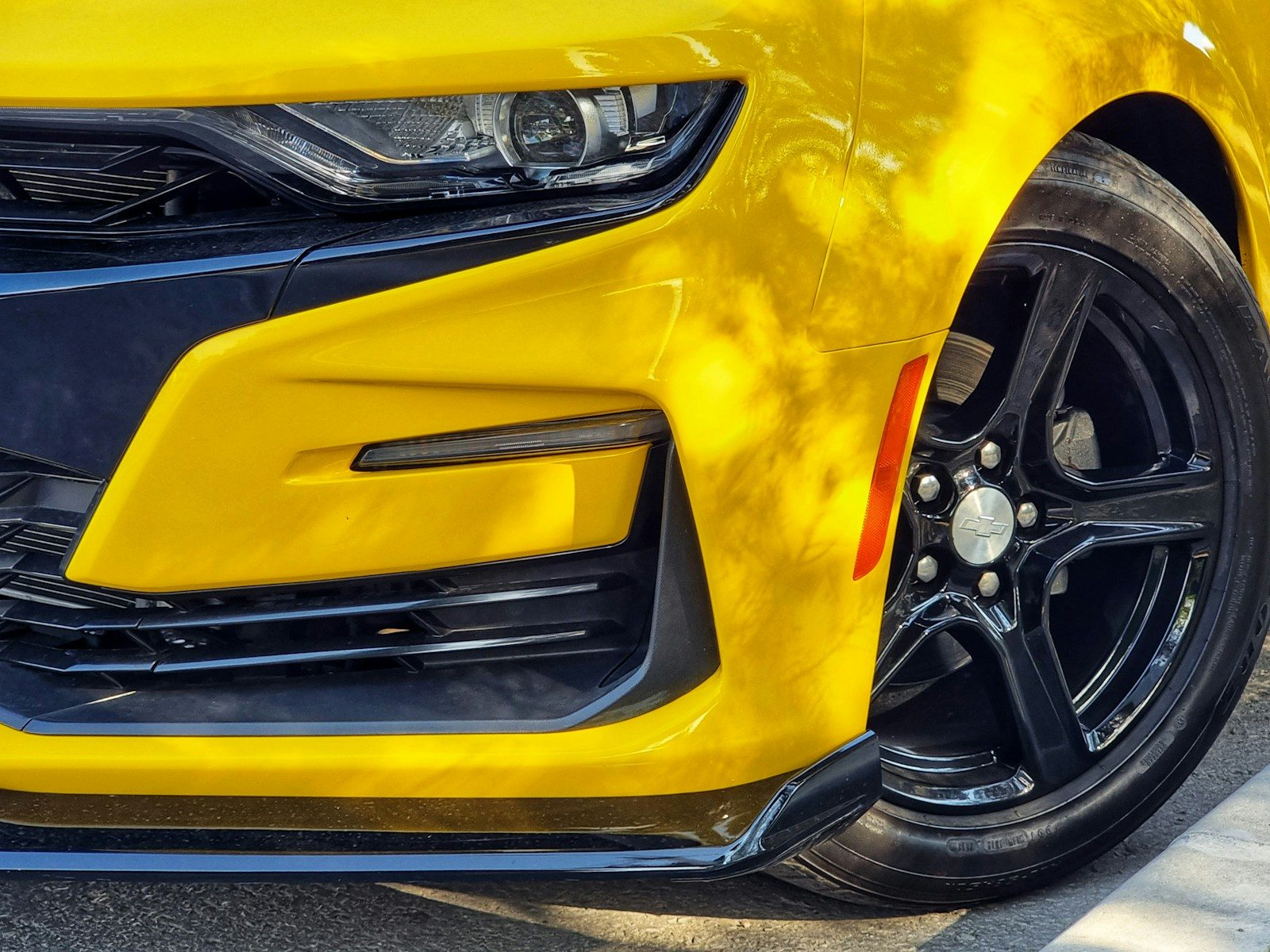
Refinishing is also an opportunity to change the appearance of the vehicle. Switching from silver to gloss black, gunmetal, or bronze can transform the visual character of a car at a fraction of the cost of new wheels. Owners considering color changes should think about resale, since unusual colors can limit appeal to future buyers. Returning to the original color is also possible, of course, but matching factory paint exactly is harder than starting fresh with a generic color from the refinisher’s catalog.
A set of properly refinished wheels can extend the visual life of a vehicle by years, hide a multitude of small damages, and represent one of the highest-value cosmetic improvements available to owners. The work is delicate, requires skilled hands, and varies wildly in quality, but when done right it brings back the showroom appearance that drivers thought they had lost forever.