Tires age silently while the vehicle sits, while it drives, while seasons change around it. Treating tire care as a once-a-year event when the tread looks low misses the rhythm of the calendar, where each season puts a different stress on the rubber and rewards different attention. A simple year-round routine, broken into manageable seasonal habits, can dramatically improve safety while pushing replacement intervals further into the future.
Spring is a time of recovery from winter. Salt, road grit, and freeze-thaw potholes have spent months attacking tires and wheels. The first warm weekend deserves a thorough wash, including the back of the wheels where brake dust and road salt accumulate and can corrode aluminum or paint. Rubber that has been chilled for months suddenly meets warmer pavement, and pressure rises noticeably. Many drivers fail to recheck after the first warm spell and end up overinflated by three or four pounds across a set. A spring rotation aligns nicely with this window, and it is the right time to look closely at the tread for cupping or feathering that hints at suspension problems exposed by winter potholes.
Spring is also alignment season. Anyone who hit a pothole during winter, even a small one, should consider an alignment check before summer driving begins in earnest. Catching a small toe error early can save a thousand miles of wear over a single season of commuting. Drivers swapping winter tires off should inspect both sets carefully before storing the winters, checking for sidewall damage, embedded screws, or unusual wear that needs addressing before next December.
Summer brings heat as the primary enemy. Asphalt temperatures in direct sun can climb forty degrees above the air temperature, and tires generate additional heat from flexing. The combination accelerates rubber aging, especially on tires that already have several years on them. Long highway drives in midsummer at high speeds with full loads, including roof boxes and trailers, push tires close to their thermal limits. Pressure should be checked weekly during heavy travel periods, and always when the tires are cold, since pressures rise five to seven pounds during driving and reading them hot gives a misleading number.
Heat also exposes any underinflation. A tire that drove fine in spring at three pounds low may begin to overheat in summer at the same pressure. Long mountain descents and heavy braking heat the wheel itself, raising tire pressure further and stressing already worn shoulders. Summer is when sidewall failures are most common, often the result of months of underinflation finally reaching a heat threshold. Checking once before any long trip, and once more midway, is a simple discipline that prevents most blowouts.
Autumn is preparation season. Falling temperatures bring falling pressures; every ten degrees Fahrenheit drop costs about a pound. The first cold snap of October catches countless drivers with tires that suddenly read four pounds low because they were last set during August warmth. A pressure check after the first frost is almost mandatory. Wet leaves on the road create hazards similar to early ice, and tread depth becomes critical for water dispersion. Tires below five thirty-seconds of an inch noticeably underperform in heavy autumn rain, and this is the season to make replacement decisions before snow forces them.
For drivers in regions that see real winter, autumn is the time to mount snow tires before the first ice. Waiting until the first snowstorm guarantees a long line at the shop and possibly a tow. A complete second set on dedicated steel wheels is cheaper over the long run than swapping rubber on and off the same wheels twice a year, both because mounting costs add up and because mount-dismount cycles damage the tire bead.
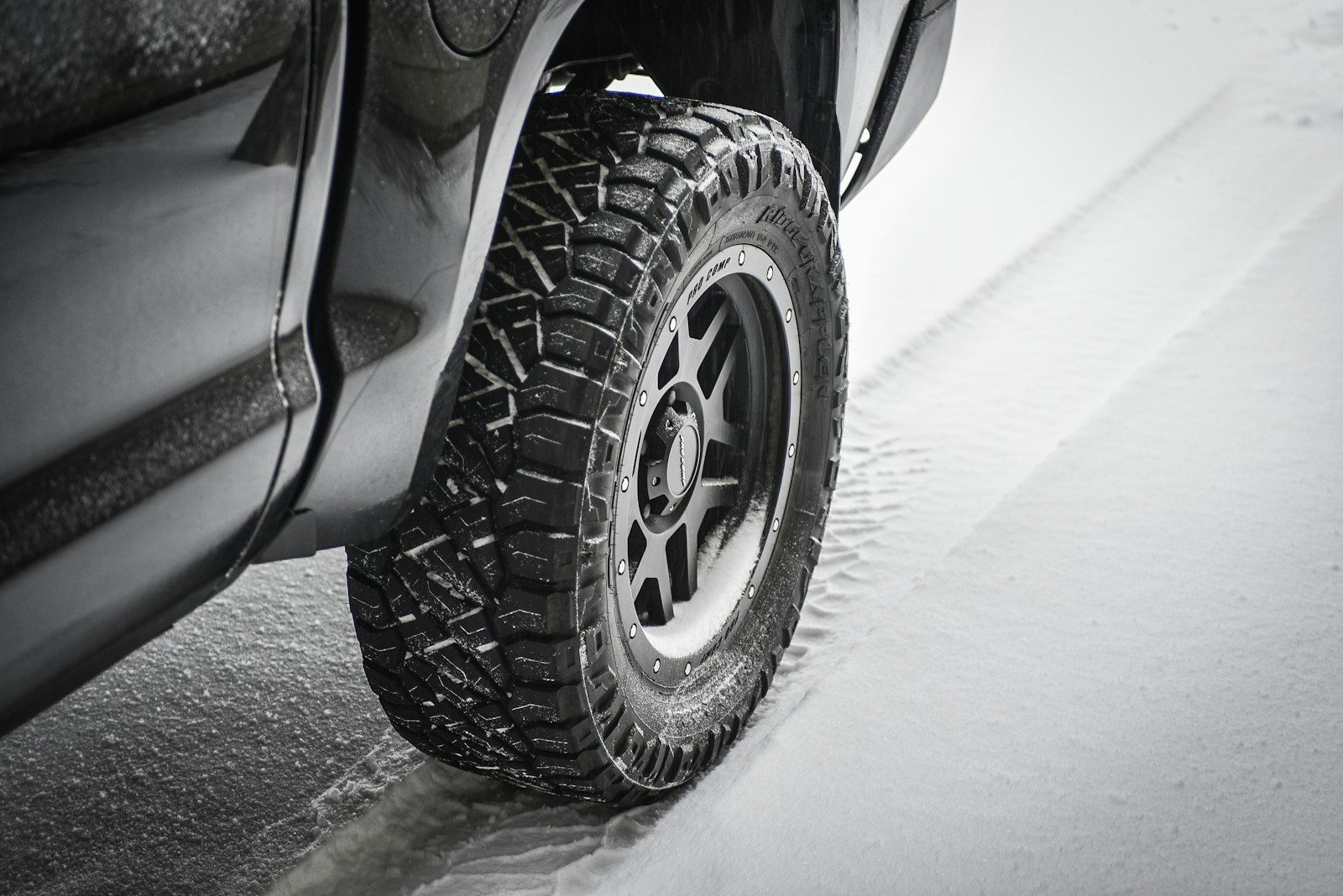
Winter is the harshest season for tires, even those rated for it. Snow, ice, salt, and bitter cold combine to age rubber faster than any other time. Compounds in true winter tires are formulated to stay flexible below freezing, which is precisely what separates them from all-seasons regardless of tread design. Pressure must be monitored almost weekly because cold mornings reveal new low readings overnight. Cold weather is also when sidewall damage from curbs hidden under snow is most common, and bent rims from frozen potholes are routine.
Winter driving habits matter as much as winter rubber. Smooth inputs preserve grip on packed snow; aggressive launches and panic stops break traction long before a winter tire reaches its limit. Letting following distances grow doubles or triples the time to react, which matters more than tire compound when ice glazes a curve.
Year-round, a few habits carry across all seasons. Keeping a quality digital gauge in the glove box rather than relying on gas station equipment improves accuracy. Looking at all four tires once a week during refueling catches slow leaks before they become flats. Listening for new vibrations or noises and addressing them quickly prevents balance and alignment issues from escalating into bigger problems.
Tires repay attention almost linearly. The driver who walks around the vehicle once a week, checks pressure once a month, rotates twice a year, and matches the rubber to the season will spend less, drive more safely, and replace tires far less often than the driver who treats them as invisible. The seasons demand different things, and meeting those demands is one of the cheapest forms of vehicle maintenance available.